Clean water is one of those things most people don’t think about until something seems off. Maybe the water starts tasting strange. Perhaps there’s a faint odor from the kitchen tap, or you notice cloudy water after years of perfectly clear glasses. Sometimes the signs are subtle, but they can still point to a problem with the way water is being treated in your home.
A good water setup isn’t simply about installing equipment and forgetting about it. Like any household system, it needs occasional attention. Understanding how filters work, when they need maintenance, and what different treatment methods actually do can save money, reduce frustration, and help you feel more confident about the water your family uses every day.
Why Water Filtration Matters
Water can contain a range of unwanted substances depending on where it comes from. Municipal supplies may contain disinfectants such as chlorine, while private wells can have sediment, minerals, iron, sulfur compounds, or other naturally occurring contaminants. Older plumbing can also affect water quality.
This doesn’t mean every tap is producing unsafe water. Far from it. But water quality can vary considerably from one location to another, and even within the same home.
A properly selected filtration system can help address specific water concerns. Some filters are designed primarily for sediment, while others target chlorine, certain chemicals, metals, or unpleasant tastes and odors. The important thing is matching the technology to the actual problem instead of buying a system simply because its box makes impressive promises.
Signs Your Filter May Need Attention
One of the easiest mistakes homeowners make is waiting until a filter completely stops working. Filters generally don’t fail dramatically. They tend to become less effective over time.
A few common warning signs include:
- A noticeable change in taste or smell
- Slower water flow from filtered faucets
- Cloudiness or visible particles
- Increasing scale around fixtures
- Unusual discoloration
- A filter cartridge that has reached its recommended service life
- Changes in water pressure through the treatment equipment
If you’ve started noticing one of these issues, don’t automatically assume the filter itself is defective. The incoming water may have changed, the cartridge could be overdue for replacement, or another component may need cleaning or servicing.
On the horizonWhy Better Water Feels Like a Small Luxury You Didn’t Know You Needed
Sometimes, the simplest explanation really is the right one.
Understanding Filter Replacement
Every filter has a useful service life, although that life isn’t identical for every household. A family of five using large amounts of water will naturally consume a cartridge faster than one person living alone.
Manufacturer recommendations are a useful starting point, but actual water usage and water quality matter too. If your home receives heavily sedimented water, for example, a sediment cartridge may become clogged much sooner than expected.
Regular filter replacement keeps the system operating as intended. Delaying it can reduce flow and, depending on the technology, may compromise the filter’s ability to remove the substances it was designed to address.
It’s also worth checking the housing, seals, and connections when changing a cartridge. A new filter won’t solve much if there’s a damaged O-ring or a loose connection allowing water to bypass the intended treatment path.
On the horizonPure Water Right From the Tap: Understanding Alkaline Treatment and Remineralization
Not Every Filter Does the Same Job
The word “filter” sounds straightforward, but water treatment technology is surprisingly varied.
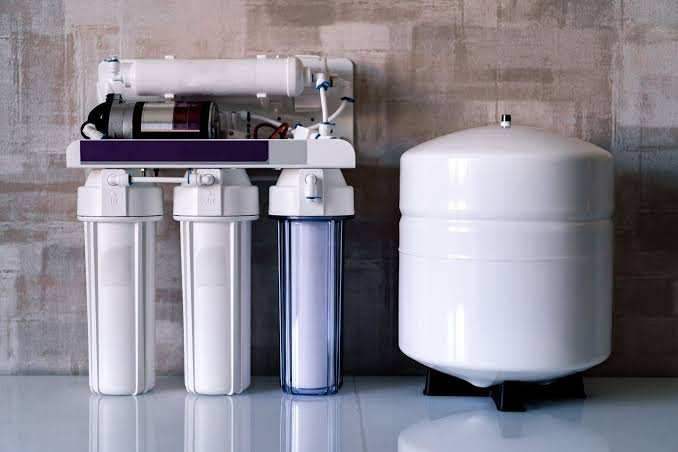
Sediment filters physically capture particles such as sand, dirt, and rust. Activated carbon filters are commonly used to improve taste and reduce chlorine and certain organic compounds. Reverse osmosis systems use a semipermeable membrane and can reduce a broader range of dissolved substances.
There are also systems designed specifically for hard water. A water softener, for instance, addresses calcium and magnesium that contribute to scale. That’s different from a conventional drinking-water filter.
This distinction matters because no single piece of equipment is automatically the best answer for every water problem. If the issue is hard water, installing a basic carbon filter may improve taste but won’t necessarily prevent scale. If sediment is the concern, a specialized sediment filter might be more appropriate.
Knowing what you’re trying to remove comes first.
Water Testing Is a Smart Starting Point
Before spending money on new equipment, consider testing the water. This is especially useful when the problem isn’t obvious.
On the horizonWhy Fresh, Purified Drinking Water Makes a Bigger Difference Than Most People Realize
A water test can provide information about factors such as hardness, pH, chlorine, iron, and other contaminants, depending on the type of test performed. Private well owners may have additional reasons to test regularly because groundwater conditions can change.
Testing doesn’t have to turn into a complicated science project. A professional water analysis can help identify what is actually present and provide a clearer basis for choosing treatment equipment.
It’s a little like taking your car to a mechanic because the engine sounds strange. You wouldn’t replace half the engine before finding out what’s wrong. Water treatment deserves the same practical approach.
Maintenance Goes Beyond Changing Cartridges
Replacing filters is important, but it isn’t the whole maintenance routine.
Storage tanks, filter housings, membranes, softener components, valves, tubing, and connections may also require inspection depending on the equipment installed. Some systems have electronic monitoring or indicators that can alert homeowners when maintenance is due.
On the horizonWhen Your Tap Water Tells a Story: Learning to Read the Signs at Home
Keeping a simple maintenance record can help, too. Write down when cartridges were changed, when the system was serviced, and whether you noticed changes in water quality. Over time, you’ll start to see a pattern.
And don’t ignore small leaks. A tiny drip around a filter housing may seem harmless, but it can become a much bigger headache if left unattended.
Choosing the Right Water Treatment Approach
Good water treatment begins with understanding the water itself. The right solution depends on the source, the contaminants involved, household water consumption, plumbing configuration, and what you want the system to accomplish.
For drinking water, a point-of-use system may be enough. If you’re dealing with water quality issues throughout the house, a whole-home approach could make more sense. In homes with well water, treatment may involve several stages because different problems need different technologies.
Cost matters, of course. But it’s worth considering the long-term expense, too. A cheaper system that requires frequent replacement or doesn’t address the actual issue may cost more over several years than a properly designed system.
On the horizonThe Slow Damage You Don’t See: How Hard Water Quietly Shapes Your Home
And don’t forget installation. Even excellent equipment can perform poorly when it’s incorrectly sized, installed, or maintained.
A Little Attention Goes a Long Way
Water quality isn’t something homeowners should have to obsess over every day. Still, a few sensible habits can make a meaningful difference.
Pay attention to changes in taste, smell, pressure, and appearance. Follow the manufacturer’s maintenance recommendations. Replace filters on schedule, and test your water when there’s a reason to question its quality.
Most importantly, don’t treat every water problem as though it has the same solution. Filtration, softening, disinfection, and other treatment methods each serve different purposes.
Clean, reliable water starts with knowing what’s in it. Once you understand that, maintaining the equipment becomes much less mysterious — and a lot easier to get right.:::