Water is part of nearly everything we do, yet most people rarely think about its quality until a problem appears. Perhaps the drinking water tastes slightly unusual, soap doesn’t lather properly, or mineral deposits keep returning to the bathroom taps. In a commercial setting, the signs might be more serious: equipment needs frequent cleaning, filters clog too quickly, or water-related maintenance costs keep climbing.
These problems can be frustrating, especially when the cause isn’t immediately obvious. The good news is that water quality can often be improved with a sensible plan. Instead of investing in equipment based on guesswork, homeowners and businesses can identify their specific concerns, compare appropriate treatment methods, and build a system that suits their daily needs.
Understanding What Better Water Really Means
Water quality isn’t the same everywhere. Two homes on the same street may experience different issues depending on their plumbing, supply source, and existing treatment equipment. Municipal water is generally treated to meet regulatory requirements, but its mineral content and taste can still vary. Private wells may require additional monitoring because the quality of groundwater can change with weather, land use, and local geology.
For some households, the main concern is hard water. Calcium and magnesium can leave scale on taps, showerheads, and appliances. Other properties may experience sediment, unpleasant odors, or staining caused by iron and manganese. In certain situations, testing may also be necessary to investigate contaminants that cannot be detected by taste, smell, or appearance.
The first step is to understand which issues actually exist. A professional water analysis or suitable home test can provide useful information, although the correct testing method depends on the suspected problem. If there’s a potential health concern, use an appropriately accredited laboratory and follow local public health guidance.
The purpose isn’t to make water treatment unnecessarily complicated. It’s to replace uncertainty with information. Once you know what’s in the water, choosing the next step becomes much easier.
The Everyday Benefits of Improved Water Quality
Water quality affects more than the glass you drink from. It can influence cooking, bathing, laundry, cleaning, and the performance of plumbing equipment. When water contains excessive hardness minerals, for example, scale may build up inside water heaters and appliances. Over time, that buildup can increase maintenance requirements and affect efficiency.
On the horizonWhen Your Water Filter Needs Attention: A Practical Guide to Better Water Quality
Addressing the underlying problem can lead to improved water quality and a more comfortable experience throughout the property. Depending on the issue, treatment may help reduce unwanted tastes and odors, manage mineral deposits, or remove selected contaminants. The benefits vary according to the technology installed and the characteristics of the incoming water.
There’s also a practical advantage to understanding water quality before problems become expensive. If a filter repeatedly clogs, testing may reveal that the water contains more sediment than the system was designed to handle. If stains keep appearing around sinks and laundry fixtures, identifying the minerals responsible can help prevent wasted money on products that only treat the symptoms.
Of course, no treatment system should be expected to solve every water problem. A carbon filter, for instance, may improve taste and odor but won’t necessarily soften hard water or remove every dissolved contaminant. Choosing equipment based on verified performance is far more useful than relying on broad marketing promises.
Choosing Treatment That Solves the Actual Problem
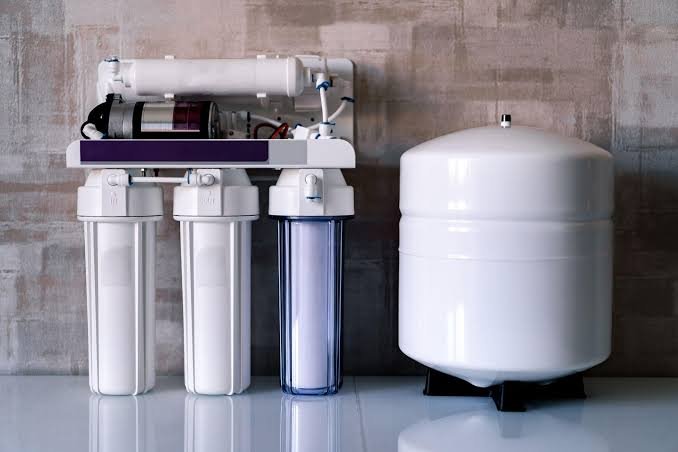
Water treatment involves several technologies, each designed to address particular conditions. Sediment filters capture suspended particles, while activated carbon can reduce certain substances that affect taste and odor. Water softeners are commonly used to reduce hardness minerals, and reverse osmosis systems can reduce many dissolved substances when properly selected and maintained.
On the horizonPure Water Right From the Tap: Understanding Alkaline Treatment and Remineralization
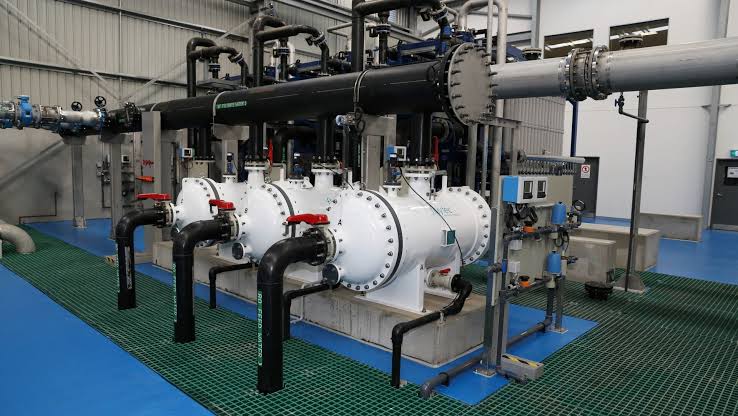
Disinfection is another consideration when microbial contamination is a concern. Depending on the water source and test results, suitable methods may include ultraviolet treatment or other approved disinfection processes. These approaches have different requirements and limitations, so professional guidance may be worthwhile when safety is involved.
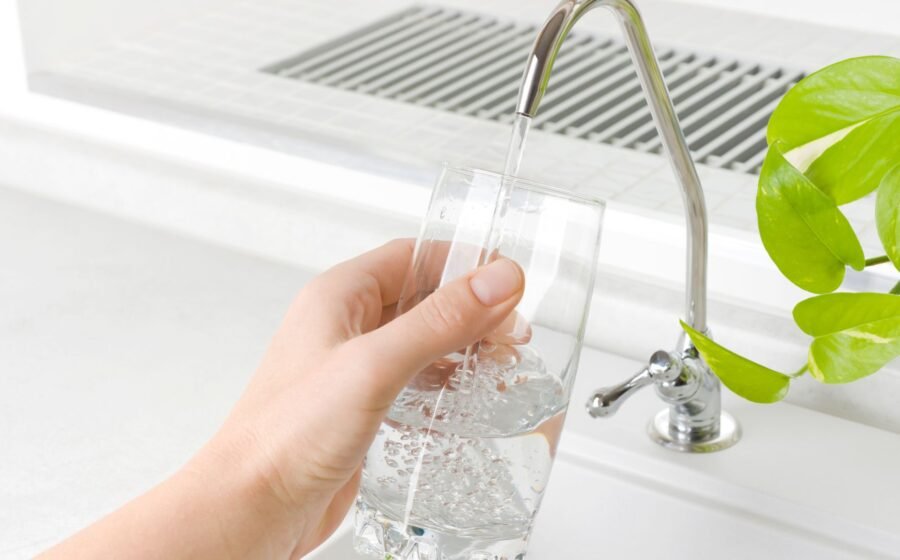
This is where targeted treatment solutions become especially valuable. Rather than installing every available filter or device, you can focus on the conditions that matter most. A household with hard water may benefit from a properly sized softener, while a home concerned about drinking water taste might need a point-of-use filtration system. A private well with a confirmed microbial issue requires a different response altogether.
Treatment should also account for the people using the water and the way the property operates. A busy family home has different flow requirements from a small office or a commercial kitchen. Equipment sizing, installation space, maintenance schedules, and water pressure all influence the final decision.
When comparing products, look for independent certifications and clear performance information. Check which contaminants the system has been tested to reduce, how much water it can treat, and when its filters or other components need replacement.
On the horizonWhy Better Water Feels Like a Small Luxury You Didn’t Know You Needed
Why Flexible Systems Can Make Sense
Not every property needs a large, permanently installed treatment setup. Some people want better drinking water at a single kitchen tap. Others need treatment throughout the building, while certain commercial applications require several processes working together.
Flexible system options make it easier to match equipment to these different requirements. Point-of-use systems treat water at a specific outlet, while point-of-entry systems treat water as it enters the property. Some installations combine filtration, softening, or disinfection when test results indicate that multiple treatments are needed.
For example, a homeowner might use a whole-house sediment filter to protect plumbing and a separate drinking water filter in the kitchen. Another property may need a softener to manage hardness, with no additional treatment required. In a larger facility, modular equipment can sometimes allow capacity to be adjusted as demand changes.
Flexibility doesn’t mean choosing equipment without a plan. A system made up of incompatible components can create pressure losses, unnecessary maintenance, or inconsistent performance. Each component should be selected according to the water chemistry, expected flow rate, operating conditions, and requirements of the equipment installed around it.
On the horizonWhy Fresh, Purified Drinking Water Makes a Bigger Difference Than Most People Realize
It’s also wise to consider future needs. If a household plans to expand or a business expects higher water demand, choosing a system that can accommodate reasonable changes may be more practical than replacing the entire installation later.
Maintenance Is What Keeps Performance Consistent
Even the best water treatment equipment needs regular care. Filters become loaded with particles, softeners require appropriate regeneration and salt replenishment, and disinfection equipment needs periodic inspection. Neglecting these tasks can reduce performance and, in some circumstances, undermine the protection the system was intended to provide.
Create a maintenance schedule based on the manufacturer’s instructions and actual operating conditions. Keep track of filter changes, service visits, water tests, and any noticeable changes in taste, odor, or flow. These records make it easier to spot recurring issues and plan replacements before a breakdown occurs.
Remember that a system’s appearance doesn’t prove that it’s working correctly. Water can look clear even when a filter has stopped performing as intended. Regular testing remains important when the treatment process addresses health-related contaminants.
On the horizonWhen Your Tap Water Tells a Story: Learning to Read the Signs at Home
If the equipment repeatedly fails, don’t simply replace the same component again and again. Investigate whether the system is correctly sized, whether incoming water conditions have changed, or whether a different treatment approach is needed.
Making a Confident Decision About Your Water
Better water doesn’t necessarily require the most expensive equipment or the most elaborate installation. It requires a clear understanding of the problem and a treatment plan built around real needs.
Start with testing, compare appropriate technologies, and ask suppliers about operating costs, replacement parts, warranties, and servicing. If the results are complicated or suggest a potential health risk, consult a qualified water treatment professional before making changes.
Water is too important to approach with guesswork. With reliable information, suitable equipment, and consistent maintenance, you can make practical improvements that support everyday comfort, protect plumbing, and help your water system perform more dependably over time.