There’s something appealing about turning on the kitchen faucet and filling a glass without reaching for a plastic bottle. Good drinking water should be convenient, refreshing, and suited to the needs of your household. For some people, that means adding another layer of treatment beyond basic filtration.
Modern drinking-water systems can combine purification with post-treatment processes such as alkaline treatment and remineralization. The idea sounds technical, but the basic concept is fairly simple: first treat the water, then adjust its mineral content and characteristics before it reaches your glass.
What Does “Pure Water” Really Mean?
The phrase pure water right from the tap sounds wonderful, but it’s important to understand what “pure” means in the context of a particular treatment system.
Water purification can involve different technologies, including activated carbon filtration, reverse osmosis, ultraviolet treatment, and other specialized methods. Each is designed to address particular water-quality concerns.
Reverse osmosis, for example, can reduce many dissolved substances. Carbon filtration can improve taste and odor while reducing certain contaminants. UV technology can be used to help inactivate microorganisms under appropriate conditions.
No single system removes every possible substance, which is why good water treatment starts with understanding the source water and identifying what actually needs to be reduced.
Why Some Systems Add Minerals Back
Reverse osmosis can significantly reduce dissolved minerals along with other substances. Some homeowners like the highly treated result, while others prefer water with a more familiar mineral profile.
That’s where alkaline treatment and remineralization come into the conversation.
On the horizonWhen Your Tap Water Tells a Story: Learning to Read the Signs at Home
A remineralization stage can add selected minerals back into treated water. Depending on the system, this may include minerals such as calcium or magnesium. The goal is generally to improve the water’s mineral profile and, in some systems, raise its pH.
It’s worth keeping expectations realistic, though. Remineralization isn’t a magical health treatment, and alkaline water shouldn’t be viewed as a cure for medical conditions. The primary purpose is to modify the treated water’s characteristics.
Understanding Alkaline Water
Alkaline water has a pH above neutral. Some filtration systems use a mineral cartridge or other treatment stage to increase alkalinity after purification.
For people who prefer the taste or feel of slightly alkaline water, this can be an attractive feature. The mineral content may also give the water a different taste compared with highly demineralized water.
However, pH alone doesn’t determine whether drinking water is safe or high quality. A system should still be evaluated based on its ability to address relevant contaminants and meet appropriate drinking-water standards.
On the horizonWhen Your Water Filter Needs Attention: A Practical Guide to Better Water Quality
In other words, alkaline doesn’t automatically mean cleaner.
Safe Minerals and Remineralization
The term safe minerals deserves a little context. Minerals such as calcium and magnesium naturally occur in drinking water and can contribute to its overall mineral content.
When a remineralization stage is used, homeowners should look for systems that clearly identify the materials and media involved. Products designed for drinking-water applications should have appropriate safety documentation and certifications where applicable.
You also want to know exactly what is being added back. “Mineral-rich” is a vague phrase unless the manufacturer provides meaningful information about the minerals and their concentrations.
Transparency is a good sign.
On the horizonWhy Fresh, Purified Drinking Water Makes a Bigger Difference Than Most People Realize
Why Taste Can Change After Purification
Taste is surprisingly personal.
Water treated through reverse osmosis can taste noticeably different because many dissolved substances have been reduced. Some people love the clean, neutral taste. Others find it a little flat compared with their original tap water.
A remineralization stage can change that experience by adding selected minerals back into the water.
For households that drink a lot of water throughout the day, taste can be an important consideration. If water tastes good, people are often more inclined to choose it over sugary drinks or bottled alternatives.
That’s a small but practical benefit of having a drinking-water system that suits your preferences.
On the horizonThe Slow Damage You Don’t See: How Hard Water Quietly Shapes Your Home
Look at the Whole Treatment Process
When comparing systems, don’t focus only on the alkaline or remineralization stage. Look at everything that happens before it.
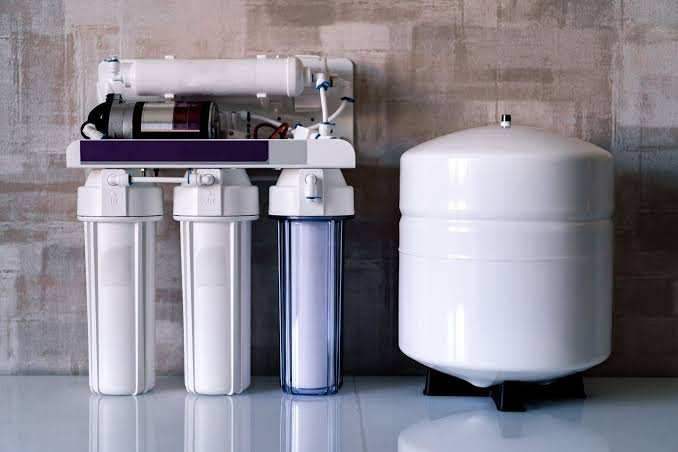
Does the system include sediment filtration? Carbon filtration? Reverse osmosis? UV treatment? What contaminants is each stage certified to reduce?
A good multi-stage system should have a clear purpose behind each component.
It’s also important to understand the maintenance schedule. Filters and membranes eventually need replacement, and remineralization cartridges have a finite lifespan as well.
Installation Matters
A drinking-water system needs to be installed and maintained properly to perform as intended. Connections should be secure, cartridges should be installed correctly, and the system should operate within the manufacturer’s recommended conditions.
On the horizonIt Started With a Glass of Water—and a Small Doubt
If you’re investing in a more advanced purification system, professional installation can be worthwhile. A technician can also explain filter changes and basic maintenance so the system doesn’t become a mystery under your kitchen sink.
Choose What Your Water Actually Needs
Alkaline treatment and remineralization can be useful features, particularly for households that want highly treated drinking water with a more natural mineral profile.
But they should be considered part of a larger water-treatment strategy rather than a standalone guarantee of better health.
Start with the water you have. Identify the contaminants or characteristics you want to address. Then choose a system with documented performance, appropriate certifications, and a maintenance routine you can realistically follow.
The end result should be wonderfully ordinary: turn on the tap, fill your glass, and enjoy water that tastes good and fits comfortably into your everyday routine.