A cleanup project can look fairly simple on paper. You make a list, set aside a weekend, gather a few supplies, and get started. Then the old cabinets come out, the garage reveals another pile of unwanted belongings, or a renovation produces far more debris than anyone expected. Suddenly, the question isn’t just how to finish the work. It’s where everything is going to go.
Choosing the right dumpster size can make a surprisingly big difference. A container that’s too small may fill before the job is finished, while an oversized one can add unnecessary expense. The best choice depends on the type of project, the volume of waste, the materials involved, and how quickly everything will be removed. Thinking through those details beforehand can save time, money, and a fair amount of frustration.
Start With the Work, Not Just the Waste Pile
Before comparing dumpster sizes, consider what the project actually involves. Clearing a basement produces a different mix of waste from tearing out a kitchen or removing an old deck. Household cleanouts often include furniture, boxes, and miscellaneous belongings, while construction work may produce drywall, wood, flooring, and packaging.
Make a rough inventory of what needs to go. You don’t need to measure every broken chair or count every piece of lumber, but a realistic estimate is helpful. Think about whether the materials will be broken down, whether bulky items can be dismantled, and whether the project will generate debris gradually or all at once.
Weight matters just as much as volume. A pile of cardboard can occupy a large amount of space without weighing very much. Concrete, soil, roofing shingles, and masonry are different. They can become extremely heavy in a relatively small container, so loading limits and material restrictions deserve attention before you book.
A quick conversation with a dumpster provider can help you turn that rough estimate into a practical choice. Explain the work, the materials, and your expected timeline. An experienced provider may be able to suggest a suitable size based on similar jobs.
When a Smaller Container Is Enough
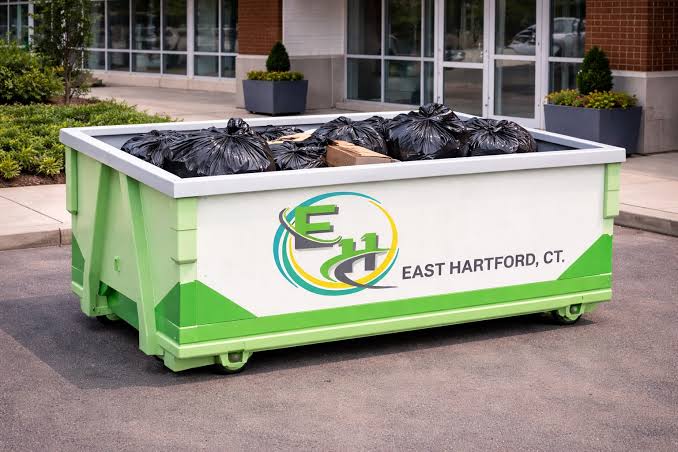
For moderate renovations and household projects, a smaller roll-off container may provide plenty of room without taking over the driveway. It’s often a sensible option for clearing out a few rooms, replacing flooring in part of a house, or disposing of debris from a limited renovation.
On the horizonChoosing the Right Roof Isn’t Just About Looks—It’s About Living With It Every Day
For example, 20-yard dumpsters can be useful for many residential cleanouts and medium-sized remodeling jobs. They offer substantial capacity while remaining manageable for properties where driveway space is limited. A container in this range may work well for removing old furniture, cabinets, drywall, and other ordinary renovation debris, depending on the amount and weight.
Still, don’t judge capacity by the container’s exterior dimensions alone. The shape and usable volume matter, and some items take up more room than expected. A sofa, for instance, may occupy a surprising amount of space unless it can be dismantled safely. Cabinets and doors can also leave awkward gaps when loaded carelessly.
Try to estimate the final pile rather than the number of items. Ten large pieces of furniture might fill more space than dozens of small boxes. If you’re uncertain, share a description or photographs of the waste with the provider and ask whether the proposed size is likely to be adequate.
Moving Up When the Project Gets Bigger
Some projects grow as soon as work begins. Removing one section of a wall may reveal damaged material behind it. A property cleanout might uncover old shelving, broken appliances, and years of stored belongings. These are the situations where a little extra capacity can be valuable.
For larger renovation jobs and substantial cleanouts, 30-yard dumpsters may provide a useful balance between capacity and practicality. They can accommodate more debris than smaller containers, making them worth considering for larger remodeling projects, multi-room renovations, and certain construction jobs.
On the horizonBetter Water Starts With the Right Approach: Finding Solutions That Fit Your Needs
The key is to avoid treating a larger container as an automatic solution. If the project produces heavy materials, you may reach the weight limit before filling the available space. Likewise, local restrictions or the layout of the property may affect which container can be delivered safely.
Think about how the work will progress, too. If demolition takes place over several days, having enough capacity from the start may help prevent interruptions. If the project is likely to produce waste in separate stages, ask whether the rental arrangement allows a scheduled pickup or exchange when needed.
The aim isn’t to choose the biggest option available. It’s to choose a container that fits the actual work without creating avoidable costs.
When a Major Cleanup Calls for More Capacity
Large construction jobs, extensive property clearouts, and major renovation projects can generate an impressive amount of debris. When several rooms are being stripped back or a building is undergoing substantial interior work, a smaller dumpster may fill much sooner than expected.
In those circumstances, 40-yard dumpsters may be worth discussing with your provider. Their larger capacity can suit substantial projects that produce high volumes of bulky, relatively lightweight material, such as packaging, wood, drywall, and general construction debris.
On the horizonPure Water Right From the Tap: Understanding Alkaline Treatment and Remineralization
However, a large container requires suitable placement space. The delivery truck needs enough room to maneuver, and the container must sit somewhere that can support the load. A narrow driveway, low overhead branches, parked vehicles, or nearby structures can complicate delivery and collection.
Before committing, check the container’s dimensions and ask the provider about access requirements. If it will be placed on a street or another public area, local permits or other approvals may be necessary. These details vary by location, so confirming them early is much easier than rearranging the site on delivery day.
Large capacity is useful when the project genuinely needs it. Otherwise, it can simply occupy valuable space and cost more than necessary.
Understand Rental Costs Before Booking
The advertised rental price is only one part of the overall cost. Depending on the provider, the quote may include delivery, collection, a set rental period, and a specified weight allowance. Additional charges may apply if the container stays longer than agreed, exceeds its weight limit, or contains restricted materials.
Ask for a clear explanation of what’s included before you make a decision. Find out how long you can keep the dumpster, what happens if the project runs late, and whether a pickup or exchange can be arranged during the rental period.
On the horizonThe Slow Damage You Don’t See: How Hard Water Quietly Shapes Your Home
It’s also worth confirming the rules for loading. Most roll-off containers should not be filled above the marked line, and waste needs to be loaded so it can be transported safely. Prohibited items may need separate disposal, even if there appears to be plenty of room left.
Comparing quotes is useful, but make sure you’re comparing similar services. One low price may come with a shorter rental period or a smaller weight allowance. A slightly higher quote may offer better value if it fits your timeline and expected waste volume.
Make Placement and Loading Part of the Plan
Once you’ve selected a size, decide where the container should go. A convenient location can save hours of carrying debris, but it shouldn’t block emergency access, essential parking, or commonly used pathways.
Prepare the area before delivery. Move vehicles, clear low-hanging obstacles where possible, and check the surface. If you’re concerned about driveway damage, ask the provider whether protective boards or another suitable surface are recommended.
During the project, load items thoughtfully. Break down bulky materials when practical, distribute the weight evenly, and keep prohibited waste separate. Avoid climbing into the container or trying to rearrange heavy debris in an unsafe way. If something is too heavy or awkward to handle, get appropriate help.
On the horizonMaking Sense of Water Services Without the Sales Pressure
A little organization can make the container more useful and help the project run smoothly from the first load to the final pickup.
A Better Fit Makes Cleanup Easier
Choosing a dumpster doesn’t have to be complicated, but it does reward a bit of preparation. Consider the kind of project you’re tackling, estimate the amount of waste, account for heavy materials, and check the space available for delivery. Then compare rental terms instead of focusing on capacity alone.
The right container should support the work rather than become another problem to manage. With a realistic estimate and clear communication, you can avoid unnecessary trips, reduce interruptions, and keep the site more organized.
Whether you’re clearing out a home, renovating several rooms, or managing a substantial construction job, the best dumpster is the one that fits your needs. A thoughtful choice at the beginning can make the entire cleanup feel less stressful—and leave you with more time to focus on finishing the project well.