When small annoyances start adding up
You don’t usually wake up one day and decide your water is a problem. It’s more subtle than that. A cloudy ring on your tap that won’t wipe away. Glasses that come out of the dishwasher looking… not quite clean. Maybe your showerhead sprays unevenly, like it’s trying its best but something’s off.
At first, it feels like normal wear and tear. Life happens, things get used. But over time, these little irritations start to feel connected, like pieces of a puzzle you didn’t know you were solving.
What’s really leaving those marks behind
The culprit, more often than not, is hard water. It carries minerals—mostly calcium and magnesium—that stick around long after the water itself has evaporated. And they don’t just disappear quietly. They settle, layer by layer, on whatever surface they touch.
That’s how you end up dealing with stubborn mineral deposits that seem immune to regular cleaning. You scrub, you rinse, you try different products—but the residue keeps coming back, almost like it belongs there.
It’s frustrating, sure. But it’s also a sign that your water is carrying more than it should.
It’s not just about appearance
Most people first notice hard water through what they can see—spots, streaks, buildup. But the real story goes deeper than that.
Inside your pipes, the same minerals are quietly accumulating. Around heating elements, they form a barrier that makes it harder for heat to transfer efficiently. Over time, your appliances start working harder just to do their job.
On the horizonWhen Your Tap Water Tells a Story: Learning to Read the Signs at Home
You might not notice it immediately. Maybe your water heater takes a little longer, or your washing machine isn’t as effective as it used to be. It’s easy to overlook, but the impact is there, building slowly.
Finding a way to ease the burden
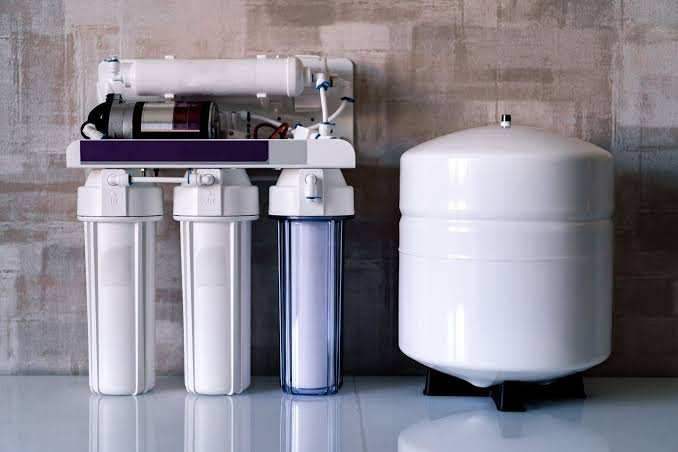
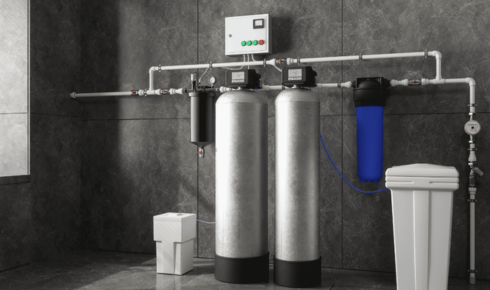
This is where solutions come into the picture—not as a quick fix, but as a long-term adjustment. Many homeowners eventually look into water softeners as a way to reduce the mineral content in their water.
These systems don’t make a lot of noise about what they do. They just quietly remove the excess minerals before they have a chance to settle. The result? Less buildup, smoother water flow, and a noticeable difference in how your home functions.
Showers feel better. Soap actually lathers the way it’s supposed to. Even your laundry comes out softer, without that stiff, slightly rough texture.
On the horizonThe Water You Trust: A Closer Look at What’s Flowing Through Your Home and Business
It’s not a dramatic transformation—it’s more like things start working the way you always expected them to.
The hidden cost of doing nothing
Ignoring hard water doesn’t usually lead to sudden disasters. Instead, it creates a slow, steady drain on your home’s efficiency.
Appliances wear out faster. Plumbing needs more frequent maintenance. You spend more time cleaning surfaces that never seem to stay clean for long.
And then there’s the energy cost. When your water heater has to work through layers of mineral buildup, it uses more power. Over time, that adds up—not just in money, but in wear and tear.
On the horizonThe Kind of Water You Don’t Think About—Because It Just Works
Taking steps to protect appliances isn’t just about extending their lifespan. It’s about reducing the strain on your entire system, making your home run a little more smoothly.
A shift you can actually feel
What’s interesting is that once you address the issue, the changes don’t always feel dramatic at first. There’s no big reveal, no instant “wow” moment.
Instead, things just… improve. Quietly.
You notice your bathroom stays cleaner for longer. Your dishes come out clearer. Your skin feels less dry after a shower. These are small, everyday experiences, but they add up to something meaningful.
On the horizonThe Quiet Upgrade Your Home Might Be Missing: Rethinking Water From the Ground Up
It’s the kind of improvement that doesn’t demand attention—it earns it over time.
Living with better water, without thinking about it
In the end, the goal isn’t to obsess over your water. It’s the opposite. It’s to reach a point where you don’t have to think about it at all.
Where your tap water feels consistent, your appliances run efficiently, and those little annoyances simply fade away. No more scrubbing endlessly at deposits, no more second-guessing what’s coming out of your pipes.
Just water, doing what it’s supposed to do.
On the horizonThe Water Your Business Runs On: Quiet Infrastructure That Shapes Daily Success
A final thought
Hard water has a way of blending into the background, making its impact slowly but steadily. It doesn’t demand attention—but maybe it should.
Because once you start noticing the signs, it becomes clear that even small changes can make a real difference. Not just in how your home looks, but in how it feels to live in it.
And sometimes, that quiet comfort is worth more than we realize.