O[1] ffshore shipping has many rules. You must clearly understand how ship inspections work. If you do not, your ship may face delays, fines or even be stopped.
Two very important checks you will face are Flag State inspection and Port State inspection. These checks make sure that ships used in offshore engineering and oil and gas engineering follow safety rules and work legally.
What Is a Flag State Inspection
A Flag State inspection is done by the country where your ship is registered. That country checks your ship to make sure it follows all international rules for safety, security and protecting the environment.
During this process, authorities review certificates, crew qualifications, safety equipment and maintenance records. They may also check if the ship is safe to sail. They make sure you follow all rules before giving your ship a safety certificate.
If you work in offshore areas, regular checks help you maintain compliance and reduce operational risks.
On the horizonPure Water Right From the Tap: Understanding Alkaline Treatment and Remineralization
What Is a Port State Inspection
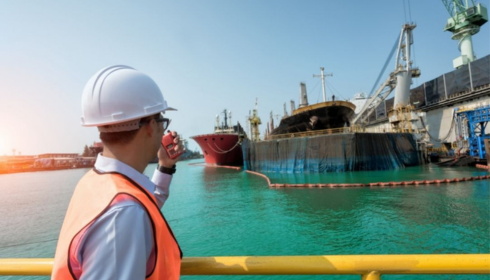
A Port State inspection happens when your ship goes to another country’s port. The local maritime authority and port officers check your ship to make sure it follows all international safety and shipping rules.
Inspectors may check your documentation, the condition of your machinery, pollution control systems and overall safety standards. In offshore operations, vessel inspection rules are usually stricter. It is because the work is more risky.
On the horizonUnderstanding the Real Investment Behind a Lenskart Franchise
Why These Inspections Matter
For offshore companies, inspections are not just paperwork. They help you to keep your workers safe, protect your equipment and protect your company’s name. When you work with a trained marine surveyor, you can prepare in the right way. Expert advisory companies like Navitera help offshore businesses follow global rules, fix mistakes before inspections, and make sure daily offshore