Starting a business in the eyewear industry has become an attractive opportunity in recent years, especially with growing awareness around eye care and fashion eyewear. Among the major brands in India, Lenskart has built a strong reputation through its online and offline presence. Because of this, many entrepreneurs are curious about the lenskart franchise cost and whether the investment is worth it in the long run.
The optical retail market in India is expanding steadily. More people are using prescription glasses, blue-light filters, sunglasses, and contact lenses than ever before. That shift has created room for trusted retail brands to grow quickly across cities, towns, and even smaller markets. Lenskart has taken advantage of this demand by building a modern retail model supported by technology, online delivery, and in-store eye testing services.
One reason people are drawn toward the franchise model is the brand recognition. Opening an independent optical store can take years to build trust. A known company already has customer recall, marketing systems, and supplier networks in place. That makes the process smoother for first-time business owners.
Initial Investment and Store Setup
The total investment for a Lenskart franchise can vary depending on location, store size, and city category. In most cases, the investment falls somewhere between ₹25 lakh and ₹40 lakh. This usually includes interior setup, branding, inventory, furniture, staff training, and security deposits for the retail space.
Prime commercial locations naturally increase the budget. A store in a shopping mall or busy high street area will cost more compared to a smaller city market. However, higher footfall can also improve sales potential over time.
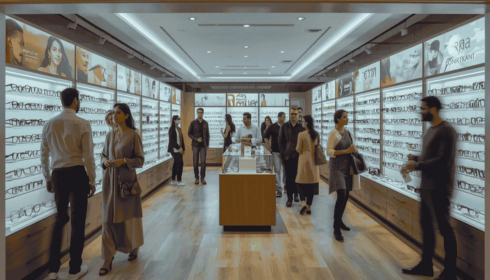
A franchise store generally requires around 300 to 500 square feet of space. The company also maintains design standards to ensure consistency across outlets. Bright interiors, product displays, customer seating, and eye-checkup equipment all form part of the setup.
Apart from infrastructure, working capital is another important factor. Salaries, electricity, local advertising, and operational costs need to be managed during the first few months until sales stabilize.
Why Many Investors Consider This Business
The eyewear segment is not just fashion-driven anymore. Digital screen exposure has increased the demand for computer glasses and regular eye testing. Children, office workers, and elderly customers all contribute to the growing market.
That’s one reason why people researching the lenskart franchise apply process often see it as a relatively future-focused business opportunity. Unlike trend-based industries that fluctuate heavily, eyewear remains connected to both health and lifestyle needs.
Another advantage is the omnichannel business model. Customers may browse online but still visit stores for fitting, testing, and product trials. This combination helps physical outlets maintain relevance even in the era of e-commerce.
Franchise partners also benefit from centralized marketing campaigns run by the company. National-level advertising creates awareness that individual store owners could rarely afford on their own.
Things to Evaluate Before Investing
Even though the brand is well known, success still depends heavily on execution. Choosing the wrong location can affect sales significantly. Areas with poor visibility or limited customer movement may struggle despite the brand name.
Competition is another factor. Many cities already have local optical stores with loyal customer bases. Understanding local demand, pricing expectations, and nearby competitors is essential before making the investment.
Staff quality matters too. Customers often rely on store employees for frame suggestions, lens guidance, and eye-testing coordination. A positive customer experience increases repeat purchases and referrals.
Potential franchise owners should also carefully review agreements, revenue-sharing structures, operational rules, and support systems before signing any contract.
Is the Franchise Worth Considering?
For entrepreneurs looking for a branded retail business with growing market demand, Lenskart can appear attractive. The company already has a strong digital ecosystem, organized supply chain, and large customer base across India.
Still, like any retail business, profitability depends on multiple real-world factors — location quality, local marketing, customer service, and cost management. Some stores perform exceptionally well, while others may take longer to break even.
People interested in entering the organized eyewear sector often see franchise ownership as a safer route compared to building a new brand from scratch. With increasing screen usage and rising awareness around eye health, the industry itself continues to show long-term potential.
Before making a final decision, it’s always wise to study local demand carefully, calculate operational expenses realistically, and speak with existing franchise owners whenever possible.