Blog

  • When Your Water Tastes Like Blood: What It Means and How to Fix It

    When Your Water Tastes Like Blood: What It Means and How to Fix It

    It’s a strange feeling when you pour yourself a glass of water, expecting that cool, refreshing taste — but instead, there’s a faint metallic tang that instantly makes you pause. It’s not your imagination. Sometimes, the water we drink can have an unexpected, almost bloody flavor. And that begs the unsettling question: why does my water taste like blood?


    The metallic culprit behind that “bloody” taste

    Let’s start with the obvious — the metallic taste is usually caused by metals in your water. Iron, copper, and sometimes manganese can leach into your plumbing from old pipes or corroded fittings. When that happens, the water carries a faint iron-like flavor, which your brain often interprets as the taste of blood. Why? Because both blood and iron share that same metallic essence.

    In most cases, this isn’t immediately harmful, but it’s definitely not something you should ignore. Corrosion in your pipes doesn’t just affect taste — it can indicate that your plumbing system is aging or deteriorating. Left unchecked, it might lead to leaks or even contamination from rust particles.


    Not always about the pipes

    While pipes are the usual suspects, they aren’t the only ones. Sometimes, why does water taste like blood comes down to the source itself. If your water comes from a well, for example, iron and other minerals naturally present in the soil can dissolve into it. Municipal water can have similar issues if it’s traveling through old city pipelines.

    And if you’ve recently moved or started using a different tap, the change in taste might simply be your senses adjusting to a new mineral composition. Still, if it’s strong, unpleasant, or persistent, that’s a sign to get your water tested.


    Is it dangerous?

    Here’s the good news: a metallic taste doesn’t necessarily mean your water is unsafe. But it could indicate that something’s off. Iron and copper themselves aren’t toxic in small amounts, but too much of either can cause problems — stomach irritation, staining, or worse, long-term exposure to contaminants that enter through corrosion.

    In rare cases, a “bloody” taste could signal something more serious, like lead contamination. Lead has no taste, but when mixed with other metals, it can intensify that metallic tang. If your home was built before 1986, you might still have lead solder or older plumbing fixtures — so a test is always worth the peace of mind.


    Other possible reasons for metallic-tasting water

    Here’s where it gets interesting. That odd taste isn’t always about the water itself — sometimes, it’s you. Certain medications, vitamin supplements (especially iron or multivitamins), or even dental issues can leave a metallic aftertaste that makes your water taste “bloody.” If only one person in your household notices it, it could be a personal health-related issue rather than a plumbing one.

    On the other hand, bacteria that react with metal pipes or minerals in water can also cause off-flavors. Sulfate-reducing bacteria, for instance, produce hydrogen sulfide — which gives off a rotten-egg smell but can also mingle with iron to create that odd, iron-blood taste.


    How to fix metallic or “bloody” water taste

    If your water taste like blood, you can take several steps to pinpoint and resolve it.

    1. Run the tap for a minute — If the metallic taste disappears, it’s likely coming from stagnant water sitting in your pipes. This is common in older plumbing.
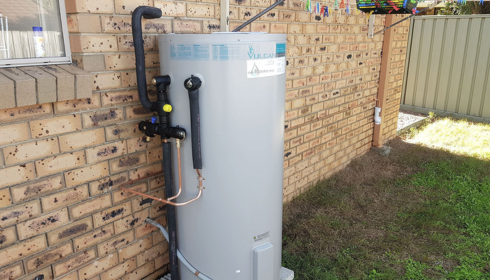
    2. Check both hot and cold water — If only the hot water has the taste, your water heater might be the source. Sediment or corrosion inside can alter flavor.
    3. Inspect your pipes — Corroded or rusting plumbing can leach metals into your water supply. You might notice red or orange stains in sinks or tubs as another clue.
    4. Install a filter — A whole-house or under-sink filter designed to remove metals and sediment can help dramatically. Reverse osmosis systems are particularly effective for metallic-tasting water.
    5. Test your water — This step is crucial. A home test kit can give you basic readings, but professional lab testing offers a complete analysis — detecting everything from iron levels to lead presence.

    When to call in help

    If the taste persists even after flushing or filtering, don’t ignore it. Persistent metallic flavor could mean something’s happening deeper in your plumbing or water source. A licensed plumber or water treatment specialist can check for corrosion, faulty heaters, or outdated fixtures that might need replacing.

    If your water comes from a private well, routine testing is essential. Groundwater quality can shift over time — especially after heavy rainfall, flooding, or nearby construction. Local water authorities or environmental labs can guide you on the right testing process.


    The comfort of clean water

    Water should taste… like nothing. Crisp, clear, maybe a little refreshing if it’s chilled, but never metallic or bloody. It’s one of those things we take for granted until something feels off. And while it might seem like a small issue, taste is often your body’s way of alerting you that something’s changed — in your plumbing, in your water source, or sometimes even in your own health.

    So if that faint tang of iron has been bothering you, don’t brush it aside. Flush, filter, test, and if needed, call in the experts. Clean-tasting water isn’t just about comfort — it’s about knowing your home’s most essential resource is safe and sound.

    Because at the end of the day, peace of mind tastes better than anything else.
  • Understanding Pressure Systems: Why Your Home or Farm Needs the Right Tank Setup

    Understanding Pressure Systems: Why Your Home or Farm Needs the Right Tank Setup

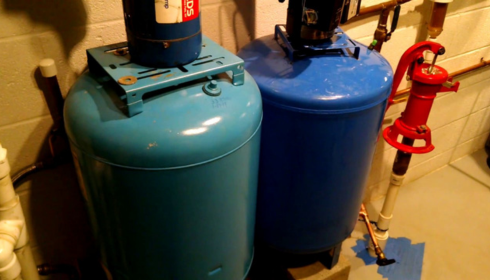
    If you’ve ever wondered why your water pump keeps cycling on and off, or why the pressure in your shower feels inconsistent, the problem might not be your well or plumbing—it could be your tank setup. A lot of people overlook what’s quietly working behind the scenes to maintain steady water flow. That’s where pump pressure tanks step in. These unsung heroes of water systems don’t just store water; they balance pressure, protect your pump, and make your daily water use smooth and stress-free.

    Let’s break it down like you’re having a chat over a cup of coffee, not reading a technical manual.


    The Real Purpose of a Pressure Tank

    Imagine turning on your faucet and expecting a strong, even flow—but instead, you get spurts, sputters, and a pump that seems to click on every few seconds. Without a pressure tank, that’s exactly what happens. The tank acts as a buffer between your water source (say, a well pump) and your plumbing system. It keeps a reserve of pressurized water ready to go, so the pump doesn’t need to start every time someone washes their hands or fills a pot.

    This doesn’t just make water flow consistent—it saves your pump’s life. Constant on-off cycling wears out pumps faster than you’d think. The tank provides breathing room for your system, letting the pump rest between cycles.


    Inside the Tank: A Simple but Smart Design

    What’s going on inside that steel or fiberglass cylinder might surprise you. It’s not just a barrel full of water. A modern pressure tank contains both water and compressed air, separated by a bladder or diaphragm. When the pump pushes water in, the air compresses, creating the pressure that sends water to your taps when needed.

    As water is used, the air expands again, signaling the pump when pressure drops below a set level. It’s an elegant, automatic dance of physics—one that’s been refined over decades of engineering tweaks.

    And because of that mix of air and water, sizing matters. Too small, and your pump works overtime. Too big, and you’re wasting money and space. Choosing the right tank size depends on your household water demand, pump capacity, and how often you want that pump to cycle.


    How Pressure Tanks Improve Daily Life

    Let’s be honest—most people never think about their water system until it fails. But when a tank does its job right, you’ll notice the difference everywhere. Showers stay steady. The washing machine fills evenly. The kitchen sink doesn’t lose pressure when someone flushes a toilet. It’s one of those “invisible upgrades” that keeps everything running smoothly.

    For homes that rely on wells, these systems are even more critical. The pressure tank keeps water delivery consistent even when the pump is hundreds of feet underground. And since energy costs keep climbing, reducing how often your pump runs can add up to noticeable savings over time.


    Choosing the Right Type of Tank

    Not all tanks are created equal. When you’re shopping for pressure storage tanks, you’ll find different styles—galvanized steel, fiberglass, composite, and more. Each has pros and cons.

    Steel tanks are durable and time-tested but can rust over time if not maintained. Fiberglass tanks, on the other hand, resist corrosion and are lighter to move around. The newer composite models often blend the best of both worlds—strength, efficiency, and long life.

    You’ll also see talk of “air-over-water” versus “diaphragm” or “bladder” designs. Diaphragm and bladder tanks are the modern standard because they prevent waterlogging (a common issue in older systems) and make maintenance much easier.

    It’s worth checking the manufacturer specs or even chatting with a local installer to get a match for your flow rate and pump setup. The wrong tank can cause pressure problems that drive you crazy down the road.


    Common Issues and How to Spot Them

    Even with proper setup, tanks can age or malfunction. A few telltale signs? Your pump cycling too frequently, noticeable drops in pressure, or air spurting from faucets. That could mean the internal bladder has failed, or the tank’s air charge has dropped.

    Tanks need a bit of TLC—checking air pressure yearly and inspecting for rust or leaks keeps things in shape. In many cases, a simple adjustment or recharge can restore performance without replacing the whole unit.

    A quick note: if you hear your pump groaning or clicking way too often, don’t ignore it. That’s usually the first sign your tank isn’t balancing pressure properly.


    Why Well Systems Depend on Pressure Tanks

    For anyone using groundwater, well pressure tanks are absolutely essential. Wells don’t naturally push water upward—you need a pump to lift and pressurize it. Without a pressure tank to store that pressure, the pump would need to work nonstop, burning out far too soon.

    Think of it like your car’s suspension system. The pump provides the power (like the engine), while the tank absorbs the ups and downs, delivering smooth, even performance. And if the power ever goes out? A properly sized tank gives you a small cushion of stored water to get by until things are back online.


    A Small Investment That Pays Off

    In the end, pressure tanks are a quiet but critical piece of infrastructure. They rarely get attention, yet they make everyday life easier and protect far more expensive equipment. Whether you’re setting up a new well system or replacing an old one, it’s worth investing in quality parts and installation.

    It’s the kind of upgrade you don’t think about until you suddenly realize how much better everything works—how steady the shower feels, how quietly the system hums in the background.

    And that’s the beauty of it: a bit of engineering making modern life feel simple, smooth, and effortless.

  • Powering Modern Life: Why Skilled Electricians Are the Unsung Heroes of Every Home and Business

    Powering Modern Life: Why Skilled Electricians Are the Unsung Heroes of Every Home and Business

    There’s something quietly magical about flipping a switch and having light fill the room. Or plugging in your laptop and watching it charge like clockwork. Electricity is so ingrained in our daily routines that we often forget the complex system behind that simple click. Behind every glowing bulb, every buzzing machine, every warm cup of coffee brewed by a modern appliance — there’s a web of human expertise keeping the current alive and safe. That’s the world of professional electrical services — a world that rarely gets the spotlight but powers everything we depend on.

    The Invisible Backbone of Modern Living

    Most people never think about wiring until something goes wrong. A sudden power trip, a flickering light, or that burnt smell from a socket — that’s when you realize electricity isn’t just about convenience; it’s about safety, comfort, and even survival. Qualified electricians make sure that your home isn’t just bright but protected. From grounding systems to panel upgrades, they ensure every connection runs smoothly.

    Think of them as the “guardians of current.” They’re not just plugging wires; they’re preventing fires, shocks, and chaos. Whether it’s a small residential fix or a full-scale commercial wiring overhaul, every task demands precision and responsibility. It’s a mix of skill, patience, and sometimes intuition — because every building hides its own electrical personality.

    Why Professionalism Matters in Electrical Work

    There’s a massive difference between watching a quick DIY video and actually understanding how electricity flows through a structure. Electricity doesn’t forgive errors. It’s not like repainting a wall — one mistake can have serious consequences. That’s why professional electricians go through rigorous training and certifications.

    When you hire reliable electrical contractors, you’re not just paying for labor. You’re paying for assurance — the peace of mind that your systems won’t fail when you need them most. These contractors bring more than just tools; they bring experience. They can identify outdated wiring, spot overloaded circuits, and anticipate potential hazards long before they become problems. In a world where we’re adding more gadgets, EV chargers, and smart devices every year, that expertise is becoming indispensable.

    The Future is Smart, But So Are the Risks

    Smart homes sound futuristic — lights that turn on by voice, thermostats that adjust automatically, and doorbells that talk back. But all that innovation still depends on solid electrical infrastructure. If your wiring isn’t up to the mark, even the most advanced gadget becomes useless.

    Electricians today aren’t just dealing with sockets and switches. They’re integrating systems — blending Wi-Fi, energy efficiency, automation, and sustainability into one cohesive setup. Modern electrical work now involves solar panels, backup generators, and smart grids. It’s less about “fixing a wire” and more about designing an ecosystem where power flows intelligently and sustainably.

    And yet, the foundation remains the same — precision, safety, and reliability. The more tech we add to our homes, the more critical it becomes to have the right professionals guiding that transition.

    The Human Side of Power

    One thing often overlooked is how personal this trade can be. A seasoned electrician doesn’t just fix problems — they often become trusted advisors for families or businesses. They’ll tell you honestly if a fuse box is too old or if a particular upgrade is worth the cost. They understand that people aren’t just looking for repairs; they’re looking for reliability.

    Many homeowners form long-term relationships with their preferred technicians, the same way they would with doctors or mechanics. Because trust is everything when your safety is on the line. That’s why choosing a dependable electrical company isn’t just a service decision; it’s an investment in peace of mind.

    Commercial and Industrial Challenges

    The stakes are even higher in the commercial and industrial world. Imagine a factory shutting down due to a sudden outage, or a hospital losing backup power. Electrical systems in such environments are intricate, layered, and demand constant monitoring. Experienced electricians can handle massive voltage systems, complex schematics, and emergency troubleshooting without skipping a beat.

    They’re also the ones who keep offices and public buildings compliant with codes and regulations. Every wire, breaker, and transformer must meet safety standards — not just for efficiency, but to prevent disasters. Behind every smoothly running business, there’s a dedicated team ensuring that no spark goes astray.

    A Trade Rooted in Pride and Precision

    Electricians are often practical, detail-oriented individuals who take immense pride in their work. They might not wear suits or work from fancy offices, but what they do has a direct impact on quality of life. There’s an old saying in the trade — “You can’t see a good wiring job, but you’ll know when it’s bad.” That hidden craftsmanship, the ability to make things work flawlessly behind the scenes, is what sets great electricians apart.

    They’re also evolving with the times. Today’s professionals are learning about renewable energy integration, sustainable installations, and energy-efficient retrofitting. The trade is moving forward, blending traditional know-how with modern technology — and that’s what makes it exciting.

    Final Thoughts: Respect the Current

    Electricity has always been a symbol of progress — from Edison’s first bulb to the solar panels on modern rooftops. But none of that progress would matter without the skilled people who make it practical and safe. So the next time your lights turn on without a hitch, take a second to appreciate the expertise that made it possible.

    Behind every glowing lamp, every humming air conditioner, every charging phone, there’s a human story — of dedication, knowledge, and craftsmanship. And that story belongs to electricians, the real power behind modern comfort.

    In the end, good electrical work isn’t just about keeping things running. It’s about keeping lives illuminated, connected, and secure — one switch at a time.

  • The Unseen Backbone of Clean Water — Why Every Drop Depends on the Right System

    The Unseen Backbone of Clean Water — Why Every Drop Depends on the Right System

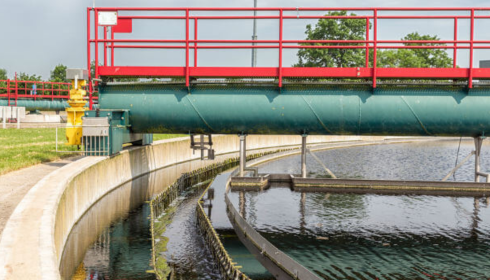
    Water shapes civilizations — quite literally. From the cities that rose along the Ganges to modern metropolises powered by intricate pipelines, it’s the quiet constant beneath our feet. Yet, what we often take for granted — the simple act of turning on a tap — is the result of complex engineering, thoughtful design, and, frankly, some brilliant human effort. Behind every clean glass and every factory wash cycle lies an entire world of systems, professionals, and innovation devoted to the art of water treatment projects.


    Understanding the Flow Behind the Faucet

    Let’s be honest — most of us rarely think about where our water comes from. It’s just there. But that’s the beauty of it. These projects — vast in scale and scope — operate invisibly so our daily routines stay simple. Water treatment systems aren’t just about making water “clean.” They’re about removing pathogens, controlling minerals, balancing pH, and ensuring safety across millions of users.

    Think of them like the backstage crew at a grand theatre — the lights, the sound, the set changes — all seamless, all essential, yet none of it seen by the audience. That’s exactly what happens in treatment facilities around the world.


    The Pulse of Industry — When Businesses Need Water

    Now, zoom out of the household tap for a moment. Imagine manufacturing plants, hotels, breweries, power stations — all of them rely heavily on water. But not just any water. They need consistency, pressure, purity, and reliability that meet strict industrial standards. This is where commercial water services step in, bridging the gap between public infrastructure and specific business needs.

    From cooling towers in refineries to filtered rinse water in food production, these services keep operations efficient and sustainable. They don’t just deliver water — they engineer it. Each solution is fine-tuned to protect equipment, meet environmental standards, and cut long-term costs. In short, they keep industries running — quietly, effectively, and often unnoticed.


    Innovation That Flows with Time

    Water systems aren’t what they used to be. Gone are the days of “treat and forget.” Today’s engineers are constantly finding smarter, more sustainable ways to use every drop. Smart sensors, automated valves, and AI-driven leak detection are reshaping how utilities and industries manage resources.

    In many new municipal water solutions, technology plays a starring role. Cities now deploy real-time monitoring tools to track contamination risks, pressure loss, and even energy usage in treatment plants. The goal? To build systems that not only deliver water efficiently but also conserve it for the future.

    And it’s not just about tech. Policy, community awareness, and public-private partnerships are now central to how we plan and sustain these systems. After all, clean water isn’t just an engineering problem — it’s a shared responsibility.


    Challenges Beneath the Surface

    For all the progress, the path forward isn’t without turbulence. Climate change, population growth, and industrial expansion are stretching global water systems to their limits. Many aging infrastructures leak millions of gallons daily before the water even reaches consumers.

    Rural areas face an entirely different problem — lack of access to reliable purification systems. Here, smaller, decentralized treatment units are emerging as lifesavers. Simple innovations like solar-powered filtration or modular desalination are giving communities independence from centralized grids.

    And yes, even developed regions struggle. Flint, Michigan, taught us that oversight failures can ripple through generations. It’s a reminder that vigilance, transparency, and maintenance are just as vital as initial design.


    The Economics of Water — A Balancing Act

    Money flows where water flows. Investment in treatment projects has become a cornerstone of both economic and environmental planning. Every major construction project, industrial expansion, or city redevelopment now factors in its water impact.

    Yet, while the initial costs of building or upgrading treatment facilities can be daunting, the long-term savings in health, sustainability, and industrial efficiency far outweigh the numbers on paper. Businesses that invest early in advanced treatment or recycling systems often find themselves better equipped to adapt to stricter regulations and resource shortages later.

    Governments, too, are stepping in with funding programs, tax incentives, and research grants — pushing for innovation that’s both scalable and sustainable.


    A Human Story Beneath the Science

    At its core, water isn’t just chemistry — it’s humanity. Every engineer designing a filtration plant, every technician testing samples, every policymaker writing safety standards — they’re all part of a much larger story. One that connects villages, cities, and industries under a shared truth: clean water means life, dignity, and progress.

    Behind the equations and blueprints are people who understand that water systems aren’t just infrastructure — they’re lifelines. Whether it’s ensuring a small town has safe drinking water or optimizing a factory’s reuse process, the mission remains deeply human.


    Flowing Toward the Future

    Looking ahead, the challenges are immense, but so are the opportunities. Climate adaptation, sustainability goals, and the global shift toward green technology all depend on better water management. Expect to see more hybrid systems — part solar-powered, part smart-networked — and greater collaboration between local governments and private experts.

    The next decade won’t just be about cleaning water; it’ll be about reimagining our relationship with it. Making sure that every drop is valued, tracked, and preserved — from mountain streams to coastal cities.

    So, the next time you take a sip from your glass or watch rainwater slide down your window, remember — that flow represents centuries of evolution, invention, and care. It’s not just water; it’s a testament to how far we’ve come… and a hint of where we must go next.

  • The Subtle Art of Litigation: What True Expertise Looks Like in the Courtroom and Beyond

    The Subtle Art of Litigation: What True Expertise Looks Like in the Courtroom and Beyond

    Litigation isn’t just about knowing the law — it’s about reading people, strategy, and timing. You can walk into a courtroom armed with every statute ever written, but without a clear sense of human behavior and tactical awareness, you’ll be fighting an uphill battle. Over time, the craft of litigation has evolved into something of an art — equal parts intellect, intuition, and endurance. And that’s where litigation expert services come into play, quietly shaping the outcomes of cases that most people will never hear about but that change the course of lives and businesses all the same.

    The Hidden Backbone of Every Legal Battle

    Behind every great attorney is a team that most clients never meet. These experts, often working behind the scenes, handle everything from evidence review and witness evaluation to financial modeling and strategic risk analysis. They turn chaotic piles of documents into coherent narratives — the kind that judges remember.

    Legal battles are rarely won on emotion alone. They’re won through meticulous preparation, data-driven decision-making, and insight born from experience. The ability to see patterns in complexity — to anticipate the opposing counsel’s next move — is what separates the amateurs from the veterans. And that’s exactly what litigation experts bring to the table.

    Why True Experts Don’t Just “Know the Law”

    It’s easy to assume that litigation mastery comes from memorizing case law or citing precedent at the perfect moment. But those who’ve spent years in the field know better. Expertise isn’t about the size of your legal library; it’s about perspective — about understanding how the pieces fit together in real life, under pressure.

    That’s why litigation experts often come from diverse backgrounds — finance, engineering, healthcare, psychology, even technology. Each brings a unique lens to the table, allowing legal teams to approach complex issues with fresh clarity. Whether it’s assessing damages in a business dispute or testifying on forensic accounting, their input transforms abstract arguments into credible, measurable truths.

    Litigation Insights: The Edge That’s Hard to Teach

    The best lawyers often talk about “gut feeling.” That instinct that tells you when to push, when to pause, when a witness is holding back. But what they’re really talking about are refined litigation insights — the hard-earned ability to connect dots others can’t even see.

    These insights don’t come from textbooks. They come from watching patterns unfold across hundreds of cases, from understanding how a single misstep in discovery can alter the trajectory of a trial. They come from knowing how juries react to tone, not just to evidence. It’s the kind of knowledge that feels invisible until it saves a case.

    And while AI tools and analytics platforms are becoming standard in modern litigation, they still can’t replace the intuitive understanding that seasoned experts bring. Technology supports, but it doesn’t interpret — humans still lead the strategy.

    The Human Side of Legal Strategy

    Law is, at its core, about people. People with fears, biases, motivations, and limits. Even the most data-driven analysis needs to be translated into something human. The most effective litigators know how to weave facts into stories that resonate. They understand that truth isn’t always enough — it needs to be framed, structured, and delivered with empathy.

    That’s why great litigation teams balance analytics with emotion. A cold recitation of data rarely wins hearts. But combine it with timing, credibility, and authentic delivery, and you have something powerful. The best litigation experts help craft that balance — ensuring that every argument, every exhibit, every testimony feels coherent and compelling.

    Litigation Expert Services: The Unsung Heroes of Justice

    In many cases, these experts never see the inside of a courtroom. Yet their fingerprints are everywhere. From analyzing contracts in corporate disputes to reconstructing accident timelines in injury cases, litigation expert services ensure that facts are more than just numbers on paper — they’re evidence that tells a story.

    They act as translators between disciplines: explaining technical details in language a judge or jury can grasp, and advising attorneys on when to simplify or elaborate. Their testimony, when needed, often becomes the anchor of credibility in a complex case.

    Their contribution doesn’t just strengthen arguments — it builds confidence. Clients feel reassured when they know a seasoned expert has validated the details. Attorneys feel supported when they have someone who can challenge assumptions and offer unbiased, fact-based opinions.

    When Experience Becomes Strategy

    There’s an elegance in watching experienced litigation professionals at work. They know when to speak and when silence does the talking. They sense when a case needs one more round of discovery or when it’s time to settle. They’ve seen enough wins — and losses — to understand that strategy isn’t about dominance; it’s about precision.

    And maybe that’s the ultimate mark of true expertise: the humility to adapt. The law isn’t static. Neither are people. Every case introduces new complexities, new technologies, new precedents. The experts who thrive are those who evolve — who continue to learn, test, and refine their methods without ever believing they’ve “seen it all.”

    Closing Thoughts: Beyond the Verdict

    At the end of the day, litigation isn’t about who yells loudest or quotes the most case law. It’s about who understands the full picture — legally, technically, and emotionally. The right team, equipped with the right insights, can change everything.

    In a world where courtrooms are filled with noise and pressure, the calm confidence of a professional grounded in experience can make all the difference. That’s the quiet strength of true litigation expertise — not just in winning cases, but in shaping justice itself.

    Because behind every verdict, there’s a story. And behind every story, there’s a team of minds — the unsung architects of reason — who make sure truth gets its day in court.

  • Finding the Perfect Fit: How to Choose the Right Water Heater for Your Home

    Finding the Perfect Fit: How to Choose the Right Water Heater for Your Home

    Let’s be honest — few things in life feel worse than running out of hot water halfway through a shower. You’re there, shampoo in your hair, and suddenly the warmth fades into a cold shock. It’s not just inconvenient; it’s the kind of small domestic betrayal that can ruin your mood for hours. And yet, most people don’t give their water heater a second thought — until it fails or can’t keep up.

    That’s where understanding water heater sizing becomes a game changer. It’s not exactly glamorous reading, but it’s practical, and it can save you a ton of frustration (and money). Picking the right size isn’t just about comfort; it’s about efficiency, performance, and long-term cost savings. A unit that’s too small will leave you cold, while one that’s too large will drain energy and your wallet. So, let’s talk about how to find that sweet spot — the one that fits your household perfectly.


    Why Size Actually Matters

    Water heaters are a lot like Goldilocks’ porridge — they need to be just right. If you buy one that’s too small, it’ll struggle to keep up with multiple showers or laundry cycles. But go too big, and you’re basically heating gallons of water that no one ever uses. That’s wasted energy, wasted money, and, honestly, wasted sense.

    This is where tools like a water heater sizing calculator come in handy. They take into account things you might not have thought about — how many people live in your home, how many bathrooms you have, whether you use a dishwasher or washing machine daily, and even your peak usage times. It’s not guesswork anymore; it’s math that helps you stay warm.


    Understanding Your Household’s Hot Water Habits

    Before choosing a unit, it helps to take a little inventory of your home’s water usage. Do you have a family of five that all shower in the morning? Do you run a washer and dishwasher around the same time? Or maybe it’s just you, with occasional guests?

    Your household rhythm says a lot about the right size water heater for you. The more simultaneous demands on hot water, the larger the tank — or the higher the flow rate if you’re going tankless. For instance, each shower can use around 10–15 gallons, and laundry might use another 20 or more. Multiply that by overlapping use, and you can quickly see how even a decent-sized heater might fall short.

    That’s why getting specific about your household habits can make a big difference. You’re not just buying an appliance; you’re buying consistent comfort.


    Breaking Down the Numbers

    There’s a simple logic behind water heater sizing, but it can feel confusing at first glance. For traditional tank water heaters, you’ll usually see measurements in gallons — 30, 40, 50, 80, and so on. The goal is to find the capacity that meets your peak demand.

    For example, a small apartment might do fine with a 30-gallon tank, while a family of four might need 50 gallons or more. If you use a tankless model, you’re looking at flow rate instead of storage capacity — measured in gallons per minute (GPM). That’s where the math gets trickier, since you’ll need to factor in how many fixtures are running simultaneously.

    Luckily, a hot water heater calculator simplifies all that. You plug in a few numbers — number of occupants, bathrooms, appliances, and typical usage — and it spits out a recommended size or flow rate. It’s not exact science, but it’s far better than the “hope-for-the-best” approach many homeowners take.


    Common Mistakes People Make

    One of the biggest mistakes people make is underestimating future needs. Maybe your family’s small now, but what happens when you add a new member or guests come to stay for a few weeks? A slightly larger system might feel like overkill today, but it can save you from icy showers later.

    Another common error? Forgetting about recovery rate — the speed at which your water heater can reheat after being depleted. Two units with the same tank size can perform differently depending on the heating element or fuel type. Gas models, for instance, usually recover faster than electric ones.

    Then there’s the energy factor. Bigger tanks can be wasteful if they’re constantly heating unused water. On the other hand, undersized units may end up working overtime, spiking your utility bills anyway. Balance is the name of the game here.


    Tank vs. Tankless — What’s Best for You?

    The classic tank-style heater stores a set volume of hot water, always ready to go. It’s reliable and simple, but it takes up space and can waste energy maintaining temperature all day. Tankless systems, on the other hand, heat water on demand. That means endless hot water — in theory. But the wrong size tankless system can also struggle if you’re running multiple fixtures at once.

    If you’re wondering how large of a water heater do i need, the answer really depends on lifestyle. A tankless system might be ideal for smaller households or people who prioritize energy efficiency. But large families or homes with heavy usage might still prefer a well-sized tank for consistency. Both systems can perform beautifully — when they’re properly matched to your needs.


    A Few Insider Tips

    1. Know your peak hour demand. Think about the busiest time in your home — maybe it’s morning rush hour or evening laundry time. Add up how much hot water you’d use in that hour, and that’s roughly the size you’ll need.
    2. Don’t ignore your space. Tank heaters take up room, so measure carefully before you buy.
    3. Mind your climate. Colder water takes more energy to heat, so if you live in a colder region, you might need a slightly larger system or one with a stronger heating element.
    4. Check energy ratings. A higher efficiency rating might cost more upfront but pays off in the long run with lower utility bills.

    The Comfort of Getting It Right

    The best part about choosing the right-sized water heater is the subtle comfort it brings. It’s one of those things you don’t notice when it’s perfect — and that’s kind of the point. You’ll never have to think about who gets to shower first or whether the laundry will steal your hot water again. It just… works.

  • Why Long Island Residents Are Turning to Reliable Water Filtration Experts

    Why Long Island Residents Are Turning to Reliable Water Filtration Experts

    There’s something almost comforting about pouring a glass of water straight from your kitchen tap — clear, cold, and safe. At least, that’s how it should be. But if you live on Long Island, you’ve probably heard more than one conversation about water quality. Whether it’s a friend mentioning a strange chlorine taste or a neighbor complaining about mineral buildup, it’s a topic that hits close to home. And lately, more people are doing their homework before choosing who to trust for filtration and purification systems. Reading long island clean water service reviews has become practically a local pastime for homeowners who care about what they’re drinking.

    It’s not paranoia. It’s awareness. Water isn’t just water anymore — it’s part of our wellness story. People are becoming more conscious of what flows into their bodies, and Long Island’s tap water, despite being regulated, sometimes needs an extra hand to reach the level of “refreshingly clean.”


    The Shift Toward Smarter Water Solutions

    A few years ago, most homeowners didn’t think twice about their water. If it looked fine, it was fine. But now, there’s this collective shift — a growing number of households are investing in water filtration systems, softeners, and purifiers. They’ve realized that “good enough” isn’t good enough when it comes to long-term health.

    The truth is, municipal systems can only do so much. Even after treatment, traces of contaminants can linger — things like chlorine, iron, PFAS, and other micro-impurities. Add in the naturally hard water found across many parts of Long Island, and you get scale buildup on fixtures, appliances wearing out faster, and that unmistakable cloudy film on glassware. It’s not dangerous at first glance, but it’s definitely annoying, and over time, it becomes costly.

    So, families are taking charge of their own water quality — installing systems that don’t just filter but refine their supply. And when they look for trustworthy local experts, one name keeps popping up in conversations, reviews, and even neighborhood Facebook groups.


    Why People Are Talking About Service Quality

    Customer service might sound like a buzzword, but in water filtration, it’s everything. Because these systems aren’t just plug-and-play — they’re an ongoing relationship. You need regular maintenance, occasional part replacements, maybe even upgrades.

    That’s why so many reviews you’ll find online aren’t just about how well the system works; they’re about how the company treats its customers. From installation day to annual maintenance visits, people want responsiveness, transparency, and support that doesn’t disappear once the payment clears.

    When a technician shows up on time, explains the process, checks for leaks, and genuinely cares about your satisfaction, it builds loyalty. That’s the foundation of all those glowing testimonials floating around the internet. But beyond that, it also points to something bigger — a cultural shift toward valuing local, personalized service over faceless corporations.


    The Importance of Local Expertise in Bellmore and Beyond

    Long Island’s water chemistry can be tricky. What works perfectly in Suffolk might not cut it in Nassau. That’s why residents from towns like Bellmore prefer calling local specialists who actually understand the nuances of their area’s supply. They know the quirks — the taste issues, the sediment, the seasonal fluctuations.

    A homeowner recently described how she dealt with a filter malfunction in the middle of summer. She called for water filter repair bellmore, ny, expecting the usual long wait time — but was pleasantly surprised to have someone arrive within hours. The repair wasn’t just quick; it was educational. The technician explained what went wrong, replaced the necessary parts, and even tested the water before leaving. It’s the kind of service that turns one-time customers into repeat clients.

    These aren’t just repair jobs; they’re trust-building moments. When your water system acts up, you’re not just inconvenienced — you’re reminded of how much you rely on it. And when a company can fix that problem with skill and empathy, it makes all the difference.


    What Makes a Water Company Stand Out

    There are plenty of companies offering filters, softeners, and maintenance services. But not all of them offer the same level of integrity. What separates a good long island water company from a great one is how they balance technical expertise with genuine care.

    The best ones aren’t just selling equipment — they’re solving problems. They take time to test, to listen, to recommend systems that fit your family’s habits and water profile. They’re not pushing unnecessary add-ons; they’re explaining what’s needed and why.

    Another often-overlooked quality? Follow-ups. When a company checks back weeks after installation to ensure everything’s working perfectly, it shows professionalism and pride in their craft. It’s this kind of attention to detail that makes residents stick with one provider year after year.


    The Emotional Side of Clean Water

    We don’t talk about it much, but there’s something emotional about knowing your home’s water is pure. It’s peace of mind. It’s that small sense of luxury when you fill a glass and it just tastes… crisp. No weird aftertaste, no smell, no doubts.

    Parents feel more confident making formula or cooking pasta. People stop buying endless bottled water. And let’s not forget the environmental bonus — fewer plastic bottles, less waste, less guilt. That’s part of the reason local water filtration experts are becoming essential household partners instead of just “service providers.”

    Clean water affects how you live, how you cook, and how you feel about your home. It’s invisible comfort — something you only notice once it’s gone.


    Choosing the Right Partner

    If you’re on the fence about getting your water tested or upgrading your system, start simple. Read some reviews, ask around, or call for a consultation. Pay attention to how the company responds to your questions. Do they rush you into buying something, or do they explain your options with patience?

    The right partner won’t make you feel like a transaction — they’ll make you feel like part of a long-term relationship. And honestly, that’s the kind of partnership every homeowner deserves when it comes to something as vital as water.


    Final Thoughts

    In a place as community-driven as Long Island, word of mouth still matters. When people share positive experiences online, it helps others make confident decisions — especially about something as important as clean, safe water.

    At the end of the day, water quality isn’t just about filtration units and service calls. It’s about trust, reliability, and care that flows through every faucet in your home. So, whether you’re reading reviews, calling for a repair in Bellmore, or looking for a company that truly understands Long Island’s needs, remember: great service is about more than clean water — it’s about people who make it happen.

  • Building More Than Walls: The Real Joy of Creating a Home from Scratch

    Building More Than Walls: The Real Joy of Creating a Home from Scratch

    There’s something deeply personal about watching your home come to life — not just walking into one. When you build, every wall, every corner, every color has a story. It’s not about choosing from a list of ready-made options; it’s about designing a life that fits you perfectly. That’s the beauty and the challenge of new build homes — they offer you the rare chance to shape comfort, personality, and purpose into one harmonious space.

    The Allure of Starting Fresh

    There’s an undeniable thrill in starting from zero. The smell of fresh paint, the way morning light filters through windows you personally chose — it’s a feeling you can’t quite get from moving into a pre-owned place. For many, a new build isn’t just a house; it’s a fresh chapter. You’re not inheriting someone else’s layout or their questionable design decisions. Instead, you’re crafting a space around how you actually live — where the kitchen becomes the heart of family breakfasts, or where an office nook doubles as your late-night creative zone.

    And while the idea might sound daunting, the modern home-building process has evolved. Builders today blend technology with craftsmanship, guiding you through each decision so you’re never lost in the chaos of tiles, cabinets, and lighting fixtures.

    Designing a Life, Not Just a Floor Plan

    Homes should breathe — they should reflect who lives inside them. That’s why custom home construction has become so popular lately. It’s not about extravagance; it’s about authenticity. You decide how your space should flow. Maybe you love cooking and want an open kitchen that spills into a warm, sociable dining space. Maybe you dream of a quiet reading room, drenched in sunlight, tucked away from the daily noise.

    A custom build is like tailoring a suit — it fits you perfectly. It accommodates the way your life actually works rather than forcing you into a design that doesn’t. Even small decisions — like the direction your windows face or where your laundry area sits — can dramatically change your day-to-day comfort.

    And it’s not just aesthetic. Today’s custom builds are smarter, greener, and more efficient. Solar panels, advanced insulation, smart thermostats — technology that used to feel futuristic is now becoming standard. Homeowners aren’t just building for themselves anymore; they’re building for the planet too.

    The Balance Between Budget and Dream

    Of course, with creativity comes the challenge of keeping your wallet in check. It’s easy to get swept up in the dream phase — picking the fanciest finishes or expanding that master bath “just a little more.” But the secret to a successful build lies in balance. You want a home that inspires you, but also one that makes financial sense in the long run.

    Builders and designers often advise prioritizing what you’ll feel every day. Invest in good insulation, quality windows, and comfortable flooring. You can always upgrade countertops later — but fixing layout flaws or poor energy efficiency? That’s the expensive part.

    And remember, no project is flawless. Even the most carefully planned home will come with surprises — a delay here, a supply hiccup there. The key is patience and perspective. You’re not just spending money; you’re investing in an experience that will define your lifestyle for decades.

    The Human Side of Construction

    It’s easy to think of construction as a technical process — blueprints, permits, site inspections. But beneath all that, there’s a very human story happening. Behind every residential build, there’s a network of people — architects sketching dreams, contractors translating them into reality, and homeowners nervously pacing through unfinished hallways, imagining what’s to come.

    Good communication turns this collaboration into something beautiful. Builders who listen, clients who stay flexible, designers who adapt — it’s a dance that requires mutual trust. The best results come when everyone’s working toward a shared vision, not just a deadline.

    It’s also a reminder that your home is more than a structure. It’s a story in progress. Every choice — from paint to porch — carries a fragment of you.

    Why the Journey Matters as Much as the Destination

    Years after you move in, you’ll barely remember the stress of choosing fixtures or signing contracts. What you’ll remember is the laughter during your first dinner there, the echo of empty rooms before furniture arrived, the way it felt to wake up that first morning knowing — “This is mine.”

    Building a home teaches you patience, decision-making, and maybe even a little humility. It’s not about chasing perfection. It’s about creating a place that feels right — not flawless, but yours.

    That’s what makes it so special. Every creak in the floor, every paint shade slightly off, becomes a piece of your story. Homes built with heart tend to age better — not because they’re more expensive, but because they’re loved from the foundation up.

    A Gentle Reminder for Dreamers

    If you’re on the fence about whether to buy or build, ask yourself this: do you want to adapt to a house, or do you want a house that adapts to you? The second option might take longer, test your patience, and stretch your imagination — but it also rewards you with something no pre-built property ever could.

    Building a home is like writing a memoir in bricks and beams. You get to decide the tone, the chapters, and the mood. And when you finally sit on that porch at sunset, coffee in hand, watching the light hit your own handiwork — you’ll realize it wasn’t just about walls and roofs. It was about building life itself.

    Because in the end, the real value of a home isn’t measured in square footage or finishes. It’s in how it feels — how it fits — and how it quietly becomes a part of who you are.

  • Understanding TDS in Water: The Subtle Science Behind What You Drink Every Day

    Understanding TDS in Water: The Subtle Science Behind What You Drink Every Day

    We pour it, sip it, cook with it, and shower in it — yet, how often do we actually think about what’s inside our water? Most of us assume that if it’s clear, it’s clean. But water isn’t as simple as it looks. Beneath that sparkle is an invisible story of minerals, salts, and particles that shape its taste, feel, and even how it treats your body.

    That’s where TDS comes into play — a small acronym that holds a big clue about water quality. You may have seen it mentioned on your water purifier’s display or heard a plumber talk about it casually. But what exactly does it mean, and why should you care? Let’s unpack that in plain, human terms.


    What Does TDS Really Mean?

    Let’s start with the basics. The tds full form water is “Total Dissolved Solids.” It’s a scientific way of measuring how much of the “stuff” — minerals, salts, metals, and other compounds — is dissolved in your water. These aren’t necessarily bad; in fact, some of them are essential for health.

    Think of it like coffee. You dissolve coffee powder, sugar, and milk into hot water — that’s your total dissolved solids. The more you add, the stronger and richer it tastes. Similarly, water with the right amount of TDS has a pleasant, natural taste because of the minerals it carries, like calcium, magnesium, and potassium. But when the number gets too high or too low, things start to go off balance.

    The ideal range for drinking water typically sits between 80 and 250 parts per million (ppm), depending on the source. Below that, it can taste flat or metallic. Above that, it might taste salty, bitter, or just plain strange.


    The Human Side of Water Quality

    Here’s something most people don’t realize — pure water, like distilled or demineralized water, isn’t actually great for everyday drinking. It might sound healthy, but it lacks essential minerals your body needs. On the flip side, if your water is loaded with dissolved solids, it could lead to scale buildup in pipes, dry skin, and a weird aftertaste in your tea.

    This is where balance becomes everything. Understanding water tds meaning isn’t just about numbers; it’s about figuring out what suits your home, your health, and even your appliances.

    For example, city water might have a TDS of around 100–300 ppm — perfectly fine for most households. But well water in rural areas? That can spike up to 1,000 ppm or more, depending on what’s in the soil. If you live in an industrial region, heavy metals could also be part of the mix. That’s when a good RO or filtration system steps in, quietly doing its job.


    How to Check the TDS in Your Water

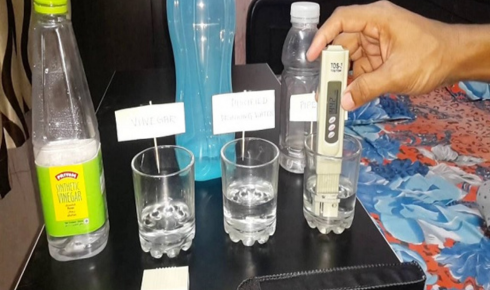
    You don’t need to be a chemist to measure TDS. In fact, you can buy a small digital TDS meter online for less than the cost of dinner. Just dip it in your water, and it’ll give you an instant reading in ppm. It’s oddly satisfying — watching those numbers pop up and knowing exactly what you’re dealing with.

    If you’re curious about what those numbers actually mean:

    • 0–50 ppm: Ultra-pure, but may taste flat (often RO water).
    • 50–150 ppm: Ideal for drinking — crisp, clean, and refreshing.
    • 150–300 ppm: Slightly mineral-rich, but still acceptable.
    • 300–500 ppm: Can start tasting heavy or salty.
    • 500+ ppm: Often too high for consumption — needs treatment.

    Of course, this is just a general guide. The quality of the solids themselves matters too. Some dissolved substances, like natural minerals, are harmless or beneficial. Others, like nitrates or lead, are definitely not.


    Why TDS Matters More Than You Think

    When people talk about water tds, it’s easy to assume it’s only about taste. But it goes deeper. High TDS water can affect your skin and hair, make soap less effective, and even shorten the life of your home appliances. That’s because those dissolved minerals can leave behind residue — ever noticed white crusts on your faucets or cloudy marks on glasses? That’s TDS at work.

    Low TDS water, on the other hand, can be too “hungry.” It lacks minerals, so it can pull them from whatever it touches — pipes, containers, even your body. That’s why balance is the golden rule. You want water that feels smooth, not slippery; clean, not sterile.

    If you’ve ever tasted mountain spring water, that’s what balanced TDS feels like — crisp, naturally refreshing, and mineral-rich without being overpowering.


    Can You Adjust TDS at Home?

    Absolutely. Modern water purifiers, especially RO (Reverse Osmosis) systems, are designed to bring your TDS levels right where they should be. If your tap water has a high reading, an RO filter can bring it down by removing excess minerals and contaminants.

    But sometimes, people go overboard with purification, stripping away even the good stuff. That’s where a “TDS controller” comes in handy — it reintroduces beneficial minerals into your filtered water, giving you a balance of purity and nutrition.

    If your water is too low on TDS (common in areas with heavy filtration or desalination plants), adding a pinch of mineral drops or using a remineralization cartridge can help restore its natural composition. It’s a small tweak with a big difference in taste and hydration.


    The Relationship Between TDS and Taste

    Taste is subjective, but TDS plays a bigger role in it than most realize. Water with a moderate TDS level has a roundness — a fullness that makes it feel satisfying to drink. That’s why many bottled water brands proudly display their mineral composition on the label.

    A glass of 50 ppm water can feel almost empty — like drinking air. Push it above 400 ppm, and you’ll start to notice bitterness or even a salty aftertaste. The sweet spot is somewhere in between, and once you find it, you’ll never want to go back.


    The Little Details That Add Up

    It’s easy to overlook something as simple as water. We chase big health changes — diets, workouts, supplements — but forget that every cell in our body runs on this clear, humble liquid. Paying attention to its quality isn’t nitpicking; it’s being mindful of the foundation of our well-being.

    Whether you live in a city apartment or draw water from a rural well, testing your TDS every few months is a habit worth keeping. It helps you understand your source, catch early signs of contamination, and maintain the right balance for your family’s needs.


    The Final Sip: Clarity Over Complexity

    At the end of the day, water quality isn’t about chasing perfection — it’s about awareness. TDS doesn’t define how “good” or “bad” your water is by itself, but it’s an important clue in understanding its story.

    So, the next time you fill your glass, take a second to appreciate what’s in it. Maybe test it once in a while. Adjust if you need to. Because when your water feels right — balanced, refreshing, and natural — everything else somehow flows a little smoother too.

  • The Unspoken Calm of Still Water: Why Simplicity Never Goes Out of Style

    The Unspoken Calm of Still Water: Why Simplicity Never Goes Out of Style

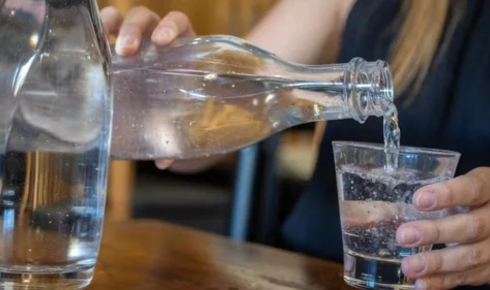
    There’s something quietly comforting about a glass of still water. No bubbles, no fizz, no sound—just that simple, clean clarity waiting to quench your thirst. It’s not flashy or trendy, but it’s timeless. In a world obsessed with sparkling drinks, caffeine boosts, and flavored hydration, still water sits on the sidelines like a wise old friend, reminding us that not everything needs to sparkle to feel refreshing.

    You probably drink it every day without thinking much about it. Maybe from the tap, maybe from a bottle, maybe chilled with ice on a summer afternoon. But have you ever really thought about what still water is—or why it’s become such a quiet essential in our lives?


    The Essence of Stillness

    Let’s start simple. Still water is, quite literally, water without bubbles. It hasn’t been carbonated, infused with gas, or altered to produce that familiar fizz of sparkling water. It’s calm. It’s steady. It’s what nature originally intended.

    When you take a sip of still water drink, it’s like your body recognizes something familiar. It doesn’t shock your tongue or tickle your throat—it simply hydrates. That’s why athletes, nutritionists, and even chefs often prefer it. The taste of food stays unaltered, the digestion smoother, and your thirst is satisfied faster.

    And yet, despite being the simplest drink on the menu, it somehow feels grounding. Like a pause button in the middle of a busy day.


    So, What’s the Difference Anyway?

    Here’s where people often get a little confused. Isn’t still water just… water? Technically, yes. But not all water is created equal. The difference lies in where it comes from, how it’s processed, and how it’s delivered.

    Still water can come straight from the tap, a spring, or even a glacier (if you’re feeling fancy). It can be purified, distilled, or filtered. Sparkling water, on the other hand, has added carbon dioxide, which gives it that bubbly sensation. And while both hydrate you, they offer totally different experiences.

    Still water feels clean and quiet, while sparkling feels celebratory. You might reach for one after a workout and the other while clinking glasses at dinner.


    The Tap Water Question

    Ah, the age-old debate: is still water tap water? The short answer—sometimes. In many homes, yes, the still water you drink from your tap is technically “still water.” But it’s not always the same as the kind you find in bottled form.

    Tap water is treated, filtered, and disinfected by local municipalities. It’s generally safe to drink in most developed countries, though taste and mineral content can vary depending on where you live. In some areas, people choose to filter it further for peace of mind, removing chlorine or heavy metals that might sneak through.

    Bottled still water, on the other hand, is often sourced from natural springs or purified through advanced filtration systems. It’s sealed for convenience, consistency, and taste. But fundamentally? Both can be “still.” It just depends on how particular you are about your water’s journey from source to sip.


    Bottled Still Water: Convenience or Necessity?

    The global bottled water industry is massive—and still water makes up a big chunk of that. People love the convenience. It’s portable, reliable, and often feels fresher than what comes from a tap. But that leads to another question: what is still bottled water exactly?

    In most cases, it’s water that’s been purified and packaged without carbonation. It might be mineral water (with naturally occurring minerals like magnesium and calcium), spring water (drawn directly from an underground source), or distilled water (purified through evaporation and condensation). Each type tastes slightly different, and some people swear they can tell.

    Still bottled water often carries an image of purity and peace—like it’s been untouched by the chaos of city pipelines. But not all bottled water is created equal. Some brands simply package filtered tap water, while others go through meticulous purification and testing. Reading the label can be surprisingly eye-opening.


    Why Still Water Just Hits Differently

    There’s something psychological about it. Maybe it’s the absence of bubbles, maybe it’s the texture—but still water feels gentle. It doesn’t fight for your attention. It just sits quietly, doing its job with grace.

    If sparkling water is the party guest in sequins, still water is the friend who brings balance to the room. You can gulp it after a run, sip it through a meal, or use it to brew coffee and tea. It adapts to every role.

    And let’s not forget—your body actually prefers it this way. Without carbonation, water absorbs faster and is easier on your stomach. That’s why rehydrating after a workout or long flight feels best with plain still water.


    The Mindful Moment in Every Sip

    Ever noticed how good water tastes when you’re genuinely thirsty? It’s like the world pauses for a second. That moment—that instant of pure refreshment—is one of life’s smallest luxuries. And it’s usually brought to you by the simplest drink imaginable.

    Drinking still water can even become a mindful act. Slow it down. Take a sip. Notice the coolness, the texture, the quiet clarity. In a culture that prizes multitasking and noise, even drinking water can be a tiny act of self-care.

    It’s not about trends or brands—it’s about presence.


    Environmental Thoughts

    Of course, no conversation about bottled water is complete without mentioning its environmental impact. Plastic bottles have become a major concern, and while recycling helps, it’s not a perfect solution. That’s why more people are turning back to reusable bottles and home filtration systems.

    It’s not that bottled still water is bad—it’s just that moderation makes sense. A stainless steel or glass bottle filled from your filtered tap is often just as good and far better for the planet.

    Small changes add up, especially when millions of people make them.


    So, Why Does It Matter?

    Because still water represents more than hydration—it’s simplicity, balance, and connection rolled into one clear glass. It’s what your body’s mostly made of and what it quietly craves.

    Amidst our obsession with energy drinks, flavor infusions, and designer beverages, still water remains the humble constant. It doesn’t need to evolve or market itself with buzzwords. It just is.


    The Final Sip

    Maybe that’s why still water never goes out of style. It doesn’t chase attention or trends—it just delivers. Whether it’s from a tap, a mountain spring, or a well-designed bottle, it’s life in its most basic form.