Blog

  • Why Your Car Won’t Start After a Rainstorm

    Why Your Car Won’t Start After a Rainstorm

    It is incredibly frustrating when you are attempting to start your car after heavy rain, only to realise that the car suddenly stops. Whether there is no sound when you turn the key, or the engine cranks but does not start, moisture can have an impact on the modern car in a manner that prevents the starting of your car and leaves you stuck. Most of the time, the problem occurs as a result of exposure to water and underlying susceptibilities.

    Intrusion of rainwater may impair ignition parts, electricity systems and even mechanical parts. Knowing the probable causes will help you find the problem and take the appropriate measures to get moving.

    How Rain Affects Your Car’s Starting Ability

    Cars have been designed to ensure that they can endure the normal weather, yet heavy rains can reveal the weak points. Water that gets into places where it is not supposed to be, like the engine bay, ignition system or electrical connectors, may cause the engine to fail in its delivery of spark, power and signal timing, which is necessary to start the engine and run comfortably. The presence of moisture in critical locations may cause corrosion, short circuiting or unsafe electrical functioning.

    The contemporary ignition systems are sensitive. Any rainwater that contacts the spark plugs, ignition coils or the distributor cap may result in weak or inconsistent sparks, making the engine difficult to start. The existence of moisture can also hasten corrosion at battery terminals or inside wiring harnesses, which further worsens electrical flow.

    Although rain may not reach the engine bay, water dripping in the door seals, underbody panels, or fuse boxes may eventually find its way into electrical connections, particularly in older vehicles where the seals are worn or the wiring is exposed.

    Possible Causes of Starting Problems After Heavy Rain

    A rainstorm provides the conditions for several common issues to show up:

    • Once water finds its way into the ignition system, it is not able to create reliable sparks. Wet spark plug boots or coils affect the combustion, resulting in hard starts or non-start situations.
    • Wet conditions usually exacerbate the problem of batteries. The moisture enhances corrosion of posts and terminals, which decreases the capacity of the battery to provide the current required to start the engine.
    • Electrical harness and connectors may experience moisture-induced short or open circuits. Signals between the sensors and the engineer’s control unit may be interrupted by corrosion or water bridges between contacts.
    • If rainwater has already made its way into the air intake or fuel-delivering regions, such as a low air filter or by driving through deep standing water, the engine might not start until the system has been cleared and dried.

    How Rodents and Cockroaches Can Worsen Wet-Weather Issues

    Surprisingly, such troublesome pests as rodents and insects are able to increase the frequency and the severity of starting issues following rain. Animals that nest under the bonnet or inside the wheel wells may lead to concealed wiring damages which only manifests when they get wet.

    Rodents have a bad reputation for chewing the insulation and wiring harnesses. When these chewed wires are wet, the chances of short circuit, inadequate grounding or sensor failure are greater, especially during rainy seasons when moisture causes the absence of proper insulation. Regular checks and rodent pest control may assist in detecting and correcting rodent damage before it comes into contact with wet weather to cause starting problems.

    Although cockroaches are more commonly associated with interior contamination, they can also live in engine bays or wiring conduits. Their existence may add to contaminated or defective connectors that respond negatively to wet or rainy weather. Where the cockroaches are a serious problem, it would be advisable to have a cockroach exterminator and automotive inspection undertaken to ascertain that the pest-related problems are resolved.

    What to Do When Your Car Won’t Start After Rain

    When your car will not start even after a rain, the most useful action to take is to wait. Water-related issues are occasionally solved when the concerned elements become dry. Nevertheless, the recurrent efforts at firing a wet engine may add electrical faults or disguise the real factor.

    The next step that is usually advisable is a thorough examination by a professional mechanic in Newcastle. A mechanic will be in a position to examine the ignition system, battery and wiring to check whether there is any water infiltration or corrosion. They would also be able to test sensors and modules which might be pest-affected, or affected by moisture, to help in ascertaining whether the problem is electrical, mechanical or pest-related.

    Any indication of animal activity (droppings of rodents, chewed insulation or nesting material) may also be noted to make the technician consider the possibility that there may be wiring or a damaged connection behind the scenes that might be contributing to the issue.

    Much can be done to get the car started by simple repairs such as drying out the ignition coils, cleaning and tightening battery terminals, or changing corroded connectors. Far more serious water intrusion into the fuel system or engine internals will be an issue that will need more in-depth professional intervention.

    Preventing Future Rain-Related Starting Issues

    Prevention is the most effective way of protecting against starting problems caused by the rain. The presence of proper seals on the bonnet, the door and air intake systems is another way to ensure that the water does not penetrate the sensitive parts. Inspections of the insulation of wiring harness and electrical connectors minimize chances of a moisture short.

    You can also help keep rodents away by keeping your parking area clean and devoid of foodstuffs that may encourage rodents to move into the wiring or inside the engine bay. Electrical integrity is maintained by pest-proofing and rodent pest control on time, in addition to mechanical maintenance.

    To ensure permanence, particularly in regions where it pours regularly, make plans to have an expert audi mechanic in Newcastle inspect them regularly. These specialists can detect the symptoms of water or pest damage early and propose the protection measures.

    FAQs

    Why won’t my car start after a rainstorm?

    Rain can introduce moisture into the ignition system, battery terminals, wiring harnesses and sensors, leading to electrical shorts or poor electrical performance that prevents starting.

    Can water in the fuel system prevent starting?

    Yes — if water enters the air intake or fuel delivery system, it can dilute fuel or block combustion, making it difficult for the engine to start.

    How do pests make starting issues worse?

    Rodents can chew wiring insulation, and when those damaged wires get wet, they can short or interrupt signals, making moisture issues worse.

    Should I start my car right after the rain if it won’t start?

    Avoid repeated start attempts if water intrusion is suspected. Let the system dry or seek professional inspection to prevent further electrical damage.

    When should I take my car to a mechanic?

    If your car still won’t start after drying out, or if you notice signs of corrosion, damaged wiring or recurring issues post-rain, consult a qualified mechanic — such as an Audi mechanic in Newcastle — for diagnosis and repair.


  • When Hard Water Becomes Personal: Finding a Softener You Can Actually Trust

    When Hard Water Becomes Personal: Finding a Softener You Can Actually Trust

    Most people don’t go looking for a water softener because it sounds exciting. They do it because something feels off. The shower doesn’t feel as refreshing as it used to. Glassware comes out of the dishwasher cloudy. Skin feels dry, hair feels stubborn, and no amount of “extra rinse” seems to fix it. These aren’t dramatic problems, but they’re persistent — and persistence has a way of wearing you down.

    That’s usually when the idea of improving water quality stops being theoretical and starts feeling necessary.

    The Subtle Ways Hard Water Sneaks Into Daily Life

    Hard water rarely announces itself loudly. It settles in quietly. You notice scale on faucets, then inside kettles, then eventually inside appliances you can’t even see into. Water heaters lose efficiency. Washing machines need more detergent. Towels feel stiff no matter how carefully you wash them.

    At first, many homeowners chalk it up to aging fixtures or cheap cleaning products. But after a while, patterns emerge. The water is the common thread. And once you see that, you can’t unsee it.

    Why Brand Reputation Starts to Matter

    Once people realize hard water is the issue, the next step is usually research. Not just any solution — a reliable one. That’s when searches like kinetico water softener near me often appear. It’s not always about the brand name itself, but what it represents: systems known for durability, efficiency, and a reputation built over time.

    For many homeowners, trust matters more than flashy features. They want something that works quietly, consistently, and doesn’t require constant tinkering. A well-built system feels less like a gadget and more like part of the home.

    Sorting Through Local Options Without Getting Overwhelmed

    The moment you start comparing providers, things can get noisy. Ads. Reviews. Promises. Everyone claims to be the best. Everyone says their system is “the perfect solution.”

    When people look for water softener companies in my area, what they’re often really searching for is clarity. Someone who explains options without pushing the most expensive setup by default. Someone who asks about household size, water usage, and actual water quality instead of offering a one-size-fits-all recommendation.

    Good companies don’t rush this part. They know that the right system on paper can still be the wrong system for a specific home.

    Installation Is Where Experience Really Shows

    Buying a water softener is one thing. Installing it properly is another. Placement, drainage, pressure balance, and system sizing all matter more than most brochures admit. A poorly installed system can underperform, waste salt, or become a constant source of frustration.

    Experienced installers tend to explain what they’re doing as they go. Not with technical overload, but with enough context that you understand what’s happening in your own home. That transparency builds confidence — and usually leads to better long-term results.

    Maintenance Isn’t a Burden When It’s Done Right

    One of the biggest myths about water softeners is that they’re high-maintenance. In reality, most systems just need occasional attention — salt refills, periodic checks, and the odd adjustment.

    This is where access to water softener services near me becomes valuable. Knowing there’s someone local who can answer questions or handle maintenance without weeks of waiting makes ownership feel manageable. It turns the system from a worry into a background convenience.

    Regular service keeps systems running efficiently, which means fewer surprises and longer equipment life.

    The Benefits You Don’t Notice Until They’re Gone

    One of the most interesting things about soft water is how quickly it becomes normal. After a few weeks, you stop noticing the changes — because the annoyances are gone. Dishes look cleaner without effort. Showers feel better. Cleaning routines take less time.

    It’s only when you visit a home without soft water that you realize how much difference it makes. The soap scum. The stiff towels. The extra work. That contrast is often when people fully appreciate the upgrade they made.

    Making a Decision Without Pressure

    Water systems aren’t impulse purchases, and they shouldn’t be treated like one. The best outcomes usually come from slowing down, asking questions, and ignoring exaggerated claims. A good provider won’t rush you. They’ll help you understand trade-offs, long-term costs, and what realistically fits your household.

    If someone takes the time to explain what you don’t need as clearly as what you do, that’s often a sign you’re dealing with the right people.

    A Quiet Upgrade That Pays Off Over Time

    Improving water quality isn’t about luxury or showing off. It’s about reducing friction in everyday life. Fewer repairs. Less cleaning. More consistent comfort. These benefits don’t shout for attention, but they add up in meaningful ways.

  • Cooe Platform Explained: Features, Access, and Everyday Use

    Cooe Platform Explained: Features, Access, and Everyday Use

    In today’s digital-first world, people expect platforms to be simple, fast, and reliable. Whether it’s for managing tasks, accessing services, or handling online operations, users don’t want complexity. This is where cooe has started gaining attention. It positions itself as a practical platform designed for smooth access, clear navigation, and a user-friendly experience that doesn’t overwhelm even first-time visitors.

    At its core, cooe focuses on making digital interactions easier. Instead of forcing users to go through unnecessary steps, the platform keeps things streamlined. From the moment you land on the website, the layout feels clean and purposeful. Menus are not cluttered, options are clearly labelled, and most actions can be completed in just a few clicks. This kind of simplicity is exactly what modern users appreciate, especially those who are not very tech-savvy.

    Why Users Are Turning to Cooe

    One of the biggest reasons people are exploring this platform is convenience. Many online services try to do too much at once, which often leads to confusion. Cooe takes a more focused approach. It concentrates on essential features and ensures they work smoothly across devices, including mobile phones, tablets, and desktops.

    Another important factor is accessibility. The platform is designed to load quickly, even on slower internet connections. This makes it suitable for users from different regions and backgrounds. In addition, the interface uses clear fonts and logical spacing, reducing eye strain and making navigation comfortable during longer sessions.

    Security is also part of the appeal. Users are increasingly concerned about data privacy, and rightly so. While no platform can promise absolute safety, cooe follows standard security practices to protect user information. This creates a sense of trust, which is crucial for long-term usage.

    Understanding the Cooe Login Process

    Accessing your account is straightforward. The cooe login process is designed to be simple, so users don’t feel stuck at the very first step. Typically, you just need your registered credentials to get started. The login page is easy to find and doesn’t bombard you with pop-ups or unnecessary instructions.

    If a user forgets their password, recovery options are clearly visible. This reduces frustration and saves time. Once logged in, the dashboard provides a clear overview of available features, allowing users to move directly to what they need without searching around.

    Everyday Use and Practical Benefits

    What really matters with any platform is how it fits into daily use. Cooe performs well in this area by offering a smooth and predictable experience. Actions respond quickly, pages don’t lag, and transitions feel natural. Over time, this consistency builds confidence in the platform.

    The design also encourages regular usage. Because the interface doesn’t change drastically or introduce confusing updates, users can return after a break and still feel comfortable navigating the system. This stability is often overlooked but plays a big role in user satisfaction.

    Final Thoughts

    Overall, cooe stands out for its simplicity, accessibility, and practical design. It doesn’t try to impress with flashy elements or unnecessary features. Instead, it focuses on what users actually need: easy access, reliable performance, and a clean experience. For anyone looking for a straightforward digital platform that respects their time and effort, cooe is certainly worth exploring.

  • The Quiet Power of Links in a Noisy Digital World

    The Quiet Power of Links in a Noisy Digital World

    There’s a strange contradiction in modern SEO. Everyone talks about content—long-form guides, thought leadership, storytelling, authenticity—but behind the scenes, links still quietly decide who wins and who fades into page three. Not flashy links. Not spammy ones. The kind that feel earned, contextual, and natural.

    If you’ve spent any time working in competitive niches, you already know how unforgiving Google can be. Some industries don’t get the luxury of “publish and pray.” They need strategy, restraint, and a deep understanding of how authority actually works online.

    That’s where the conversation around backlinks becomes less about volume and more about intent.

    Why Links Still Matter (Even When Everyone Pretends Otherwise)

    Google has evolved. A lot. But at its core, it still relies on signals of trust. A link is one site quietly vouching for another. Not loudly, not with fanfare—just a subtle nod that says, “This page is worth your time.”

    What’s changed is how those nods are interpreted. Ten years ago, you could brute-force your way to rankings with sheer numbers. Today, that approach burns sites faster than it builds them. Relevance, placement, surrounding text, and site quality all matter more than ever.

    In sensitive or competitive niches, this becomes even more delicate. One wrong move, one obvious footprint, and you’re not just losing rankings—you’re risking visibility altogether.

    The Problem With “Easy” Backlinks

    Most people don’t fail at link building because they don’t try. They fail because they try shortcuts.

    Private networks that leave patterns. Guest posts that scream “SEO content.” Footer links nobody would click. Blog comments that add no value to the conversation. Google’s seen all of it. And it’s patient. Sometimes painfully so.

    The issue isn’t links themselves—it’s intent. When a link exists purely to manipulate rankings, it carries a certain smell. Algorithms may not think like humans, but they’re excellent at spotting behavior that doesn’t align with how real websites naturally reference each other.

    The irony? The harder you try to force authority, the more artificial it becomes.

    Context Is the New Currency

    A single link placed inside a well-written, relevant article can outperform dozens of random mentions scattered across low-quality pages. Why? Because context creates credibility.

    When a link sits naturally within a paragraph—surrounded by related ideas, flowing with the narrative—it behaves the way real citations do. Readers might actually click it. Search engines notice that behavior. Engagement reinforces trust.

    This is especially true in niches that operate under higher scrutiny. Subtlety isn’t optional; it’s survival.

    One thoughtfully placed mention of escort backlinks inside a broader, genuinely useful discussion can do more for long-term visibility than an entire spreadsheet of forced placements.

    What “Natural” Actually Looks Like

    Natural doesn’t mean perfect. In fact, perfection is often a red flag.

    Real websites have inconsistencies. Some posts are polished, others less so. Some links point to big brands, others to niche resources. Anchor text varies. Writing styles shift depending on the author’s mood or deadline.

    When link building mimics this organic messiness—without sloppiness—it blends in. That’s the sweet spot.

    A link should feel like it belongs there even if no one cared about rankings. If removing it would make the paragraph worse, you’re probably doing it right.

    Risk Management Over Aggression

    There’s a mindset shift that separates short-term SEO operators from long-term site builders. The former chase quick wins. The latter think in terms of exposure, brand signals, and resilience.

    Aggressive link spikes, repetitive anchors, and obvious patterns can work briefly. Then they stall. Or worse, they collapse.

    A slower, measured approach often feels frustrating—especially when competitors seem to be moving faster. But sustainability has a compounding effect. Six months of careful placement can outperform a reckless burst that triggers algorithmic suspicion.

    SEO isn’t just about ranking. It’s about staying ranked.

    The Human Layer Most People Ignore

    Here’s something rarely discussed: editors and site owners are humans first, gatekeepers second.

    If your link exists in content that actually helps their audience, it’s less likely to be removed, nofollowed, or quietly buried later. Editors remember quality. They forget transactional posts.

    That human memory matters. Over time, it opens doors to better placements, stronger domains, and genuine collaborations—things no automated system can replicate.

    Good link building feels less like a transaction and more like participation in a wider conversation.

    Thinking Beyond Google

    One mistake many SEOs make is treating backlinks as if Google is the only audience. It’s not.

    Links drive referral traffic. They shape perception. They build brand familiarity. A reader who sees your site mentioned naturally across relevant articles begins to trust it—even before clicking.

    That trust has ripple effects: higher engagement, longer sessions, return visits. Google notices those patterns too, even if indirectly.

    In other words, the best backlinks don’t just please algorithms. They make sense to people.

    A Thoughtful Ending, Not a Checklist

    There’s no magic number of links. No universal anchor formula. No guaranteed shortcut that lasts forever.

    What does last is restraint, relevance, and respect for how the web actually works. Links are part of a living ecosystem, not a mechanical system to be gamed endlessly.

    If you approach link building like a writer rather than a manipulator—someone contributing rather than extracting—you’ll find that results come quieter, slower, and far more stable.

    And in a digital world obsessed with noise, that quiet consistency is often what wins in the end.

  • Why Quartz Water Bottles Are Becoming a Daily Ritual, Not Just a Trend

    Why Quartz Water Bottles Are Becoming a Daily Ritual, Not Just a Trend

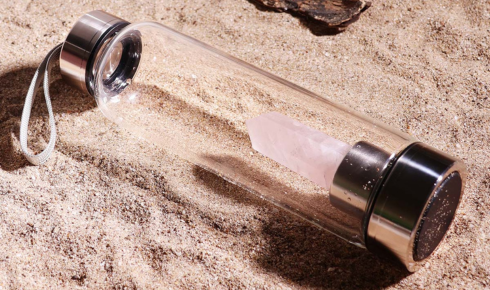
    At first glance, a crystal water bottle can look like a lifestyle accessory—pretty, minimal, maybe a little mystical. But spend a week with one, and something shifts. You drink more water. You slow down, just a bit. You start associating hydration with intention instead of habit. That’s why the rise of quartz water bottles isn’t really about trends or aesthetics. It’s about how people are choosing to feel in their everyday lives.

    In a world that’s constantly loud, rushed, and screen-heavy, small grounding rituals matter more than we admit. And surprisingly, something as simple as how you drink water can become one of them.


    Water Has Always Been More Than Just Hydration

    Across cultures and centuries, water has symbolized clarity, renewal, and balance. Modern science talks about hydration and minerals; ancient traditions talked about flow and energy. Somewhere in between, many of us are rediscovering that water isn’t just fuel—it’s an experience.

    That’s where a quartz water bottle enters the conversation. Quartz has long been associated with clarity and amplification. Whether you view that spiritually, emotionally, or simply symbolically, there’s something grounding about pairing water with a material people have valued for thousands of years.

    And no, you don’t have to believe in crystal healing to appreciate the ritual. Plenty of people start using these bottles simply because they feel calmer reaching for them.


    The Appeal Isn’t Magic — It’s Mindfulness

    Let’s clear something up. Most people who use crystal bottles aren’t expecting miracles. They’re not trying to turn water into a potion. What they’re really doing is attaching intention to an everyday action.

    When you unscrew a bottle, notice the stone, and take a conscious sip, you pause. That pause matters. It pulls you out of autopilot and back into your body, even if just for a moment.

    That’s why crystal infused water bottles have found a place in yoga studios, home offices, meditation corners, and even busy corporate desks. They’re a reminder—not to believe in something—but to notice something.


    Why Quartz, Specifically, Keeps Showing Up

    Among all the stones used in water bottles, quartz remains the most popular—and for good reason. It’s visually clean, neutral, and pairs well with almost any design. But more than that, quartz has a reputation for balance.

    Clear quartz, in particular, is often described as an “amplifier.” People use it as a reset stone, something that doesn’t impose a mood but supports whatever intention you bring to it. That makes it approachable, especially for beginners who feel overwhelmed by the symbolism of other crystals.

    It’s subtle. It doesn’t shout. It just sits there quietly, doing its thing—much like the people who end up loving it.


    Design Matters More Than People Admit

    One underrated reason these bottles stick around? They’re genuinely pleasant to use.

    Most quality crystal bottles are made from thick, BPA-free glass. They feel solid in your hand. The weight slows you down. The design encourages care. You don’t toss it around like a plastic bottle—you place it.

    That physical interaction matters. We’re more likely to hydrate when the experience feels intentional and enjoyable. A beautiful bottle isn’t vanity—it’s behavior design.

    This is especially true with a quartz crystal water bottle, where the stone is often housed in a separate chamber. That keeps the water pure while still allowing the visual and symbolic connection. It’s thoughtful design, not gimmickry.


    Does It Change the Water Itself?

    From a chemical standpoint, quartz doesn’t dissolve into water or add minerals the way electrolytes do. But that doesn’t mean nothing changes.

    What changes is your relationship with the water.

    You drink more. You drink slower. You’re more aware. And those things—hydration consistency, mindful pauses, reduced stress—have very real effects on the body. Sometimes the benefit isn’t in the object itself, but in the behavior it encourages.

    That’s a nuance often missed in online debates about whether crystal bottles “work.”


    Sustainability Plays a Role Too

    There’s also a quieter reason people are switching. Reusable crystal bottles help cut down on plastic use. If you’re already trying to live a bit more consciously—less waste, fewer disposables—this fits naturally into that mindset.

    And because people tend to value these bottles more, they’re less likely to forget them, lose them, or replace them frequently. Longevity becomes part of the appeal.


    Who Are These Bottles Really For?

    Not just yogis. Not just wellness influencers.

    They’re for anyone who wants a small anchor in their day. Anyone who’s tired of mindless routines. Anyone who wants to make hydration feel less like a chore and more like a moment.

    Some people use them during meditation. Others keep them next to their laptop. Some carry them to the gym. There’s no rulebook here—and that’s part of the charm.


    Final Thoughts: Small Rituals Add Up

    A crystal water bottle won’t fix your life. It won’t erase stress or magically boost energy overnight. But it can become a reminder—a quiet cue to slow down, breathe, and take care of yourself in small, consistent ways.

  • Clean Water, Clear Mind: Why It’s Time to Rethink What Flows From Your Faucet

    Clean Water, Clear Mind: Why It’s Time to Rethink What Flows From Your Faucet

    Let’s be honest — water is one of those things we often take for granted. You turn on the tap, fill a glass, and move on with your day. But what if that glass of water is hiding more than meets the eye? Minerals, chemicals, sediments… even if it looks clean, chances are it’s carrying a lot more than just H₂O. And if you’ve ever noticed a metallic aftertaste, stubborn soap scum, or itchy skin after a shower — your water might be trying to tell you something.

    It’s not about being paranoid. It’s about being proactive.


    You Deserve Better Than “Just Okay” Water

    Depending on where you live, your water could be laced with chlorine, iron, calcium, or worse. In some places, groundwater might have naturally occurring contaminants that can affect your health and household appliances. And city water? Well, while it’s technically treated, that doesn’t always mean it’s ideal for daily consumption or use.

    That’s where water softeners come into the picture.

    These underrated heroes don’t get enough love. But trust me, once you’ve experienced soft water, there’s no going back. Your skin feels smoother, your hair looks healthier, and even your clothes come out of the wash brighter. It’s like giving your entire home a glow-up — without lifting a paintbrush.


    Why Reverse Osmosis Isn’t Just for Science Labs Anymore

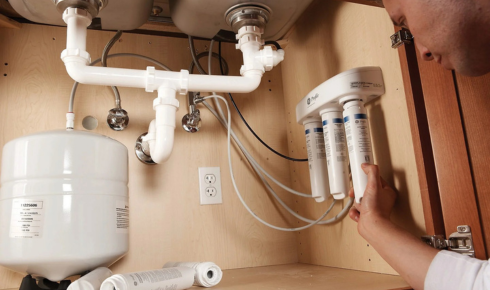
    Now, if you’re the type who wants next-level water purity, we need to talk about reverse osmosis systems. Don’t let the fancy name scare you. These systems use a semi-permeable membrane to remove up to 99% of contaminants from your water — think lead, arsenic, fluoride, and other stuff you really don’t want in your morning coffee.

    They’re compact, typically installed under your sink, and surprisingly affordable given the benefits. If you’re serious about what goes into your body — from smoothies to soups — then this kind of filtration is a game-changer. No more bottled water. No more guessing. Just crystal-clear hydration.


    Water Filters: The Everyday Essential That Deserves a Spotlight

    Okay, so maybe you’re not ready to go full reverse osmosis, and softeners aren’t quite what you need. Enter the workhorse of the water world: water filters.

    Simple, effective, and incredibly versatile — from pitcher filters to faucet-mounted options to whole-house setups — there’s something for every home and every budget. While they might not tackle everything, good filters can reduce chlorine taste, remove common sediments, and improve odor.

    They’re perfect for renters, small households, or anyone who wants a noticeable difference without a big commitment. Think of them as the gateway to a cleaner, healthier water lifestyle.


    What’s In It For You? More Than You Might Think

    Still on the fence? Let’s break it down:

    • Appliance Longevity: Hard water damages dishwashers, water heaters, washing machines… even your plumbing. Softeners help prevent costly repairs.
    • Healthier Skin & Hair: Fewer minerals and chemicals mean less irritation and dryness.
    • Better Tasting Food & Drinks: From coffee to pasta, clean water means everything tastes better.
    • Money Saved Long-Term: No more buying bottled water, fixing limescale damage, or replacing worn-out appliances prematurely.

    These aren’t minor upgrades. They’re the kind of quality-of-life improvements that sneak up on you — and suddenly, you can’t imagine living without them.


    Choosing the Right System for Your Home

    Here’s the tricky part — not every solution is right for everyone. That’s why a little homework goes a long way.

    • Test Your Water: Before buying anything, get your water tested. Many companies offer this for free, or you can grab a DIY kit online.
    • Know Your Goals: Are you focused on taste? Skin comfort? Appliance protection? Or all of the above?
    • Budget Smart: You don’t need to spend thousands. Many great systems are modular and scalable.

    And don’t forget to ask questions! A good supplier or installer should walk you through every step without pushing you into unnecessary upsells.


    Real People, Real Results

    Take Mia, a mom of three in the suburbs. She thought the dry skin her kids were dealing with was just from winter air. Turns out, it was their hard water. After installing a softener and a basic under-sink filter, the eczema faded, her laundry felt softer, and her husband even commented that the shower “felt different in a good way.”

    Or Mark, a coffee aficionado, who swapped out bottled water for a reverse osmosis system. Now, he swears his espresso tastes cleaner, smoother, “more like what you’d expect from a fancy café.”

    These aren’t extreme cases. They’re everyday wins from simple upgrades.


    Clean Water Shouldn’t Be a Luxury

    In 2025, there’s no excuse to settle for second-rate water. With so many options — from entry-level filters to high-end systems — taking control of your home’s water quality has never been easier. You deserve better, and your body (and budget) will thank you for it.

  • From Shingles to Certainty: What Every Homeowner Should Know Before Replacing a Roof

    From Shingles to Certainty: What Every Homeowner Should Know Before Replacing a Roof

    There’s something oddly comforting about a roof. It’s not flashy. It doesn’t ask for attention. But it’s always there — quietly protecting everything that matters most. Until one day… it’s not.

    Maybe it starts with a dark spot on the ceiling. Or a drip in the attic after a hard rain. Or you walk outside and realize your roof looks more tired than you feel after a long week. Whatever the trigger, you start wondering: “Is it time to replace this thing?”

    If that’s where your head is — don’t worry. You’re not alone. And you’re not expected to know everything. But before you start tossing numbers around or signing anything, let’s talk through what this process really looks like, without the jargon or pressure.


    Start With Clarity — Not a Commitment

    The first step in any smart roofing decision? A free inspection. Not the gimmicky kind where a salesperson pushes you toward a “deal” on the spot — but a real, honest evaluation of what’s going on up there.

    A professional inspection should feel like a conversation, not a transaction. A good roofer will check your shingles, flashing, ventilation, and underlayment. They’ll poke around in the attic for signs of water damage or mold. Then they’ll explain — in plain English — whether you need a repair, a full replacement, or just a “see-you-next-year” nod.

    And honestly? Sometimes the answer is “not yet.” That’s what makes an inspection valuable. It arms you with information, not pressure.


    When a Quote’s Just a Number (And When It Isn’t)

    Let’s talk numbers. Getting a roof replacement quote shouldn’t feel like guessing the price of a used car. It should come with details. Materials. Labor. Timeline. Warranty info. Cleanup process. Permits, if needed. A quote without these? It’s just a pretty-looking total.

    The right contractor won’t just toss you a figure and disappear. They’ll walk you through it. Break down what’s optional versus essential. And they’ll listen — to your budget, your concerns, your timeline.

    Pro tip: Be wary of unusually low bids. Roofing isn’t cheap, and if someone’s quoting way below the others, corners are probably getting cut somewhere. And with your roof? Corners = leaks.


    The Installer Makes or Breaks the Job

    Let’s be blunt — materials matter, sure. But the best shingles in the world won’t save you from a poor install. That’s why choosing the right roofing installers is more important than chasing a discount.

    You want licensed, insured pros with solid references and visible pride in their work. Look for consistency in reviews. Ask about training. Find out who’s actually doing the install — is it a trained crew or random subcontractors?

    The good ones will answer without hesitation. They’ll show up on time. They’ll respect your property. They’ll clean up when they’re done like they were never there — except now you’ve got a gorgeous, watertight roof overhead.


    Materials, Style & That “What If” Factor

    If you’re going through the effort (and investment) of replacing your roof, it’s worth spending a little time on style and substance. Asphalt shingles are the most common, sure — but have you looked at metal roofing? Or architectural shingles? Or synthetic slate?

    Each has pros and cons, and a good contractor will walk you through not just price, but performance. What handles your climate best? What looks great on your home style? What could help with insurance or energy efficiency?

    And then there’s that lovely “what if something goes wrong?” question. That’s where warranties come in — both from the manufacturer and the installer. Ask about them. Get them in writing. Because roofing might be the last thing you want to think about again for 20+ years.


    Timing Is Everything — Kinda

    There’s no perfect time for a roof replacement. It’s disruptive. It’s noisy. But with proper planning, it doesn’t have to wreck your week.

    Spring and fall tend to be the busiest, but quality roofers will schedule around your needs. Just know that weather plays a role — rain delays happen. That said, don’t let seasonality stop you. If your roof’s on its last legs, waiting six months might cause more damage than good.


    Final Thoughts: It’s More Than a Roof. It’s Your Peace of Mind.

    Your roof isn’t just a bunch of shingles nailed to plywood. It’s your home’s first line of defense. It’s what lets you sleep through a thunderstorm without worry. What keeps your attic dry, your walls mold-free, and your energy bills in check.

  • Why Your Home Deserves Better Water: The Unfiltered Truth About Softeners and Smarter Solutions

    Why Your Home Deserves Better Water: The Unfiltered Truth About Softeners and Smarter Solutions

    You know that stubborn white buildup on your faucets? Or how your skin feels dry even after a long shower? Yeah, that’s hard water — quietly sneaking into your daily life and making things more difficult than they need to be. And it’s not just about soap scum or faded laundry. Hard water is messing with your home, your appliances, and frankly, your peace of mind.

    So let’s talk about it — not in a cold, salesy way — but in real terms. What’s going on with hard water, what you can do about it, and why going the cheap DIY route might not be doing you any favors.


    The Hidden Cost of Hard Water

    Hard water might not look like a big deal at first glance. But over time? It takes its toll. From chalky deposits in your pipes to scaling inside your coffee maker, the damage adds up in quiet, expensive ways. Water heaters become less efficient, clothes lose their softness, and your skin keeps screaming for more moisturizer. It’s like living in a never-ending loop of minor annoyances that eventually become major frustrations.

    What’s even worse — you start spending more money than you realize. Your energy bills go up because your appliances are working overtime, trying to push water through mineral-clogged systems. And those new towels? They’ll feel like sandpaper in six months flat.


    Why “Soft” Water Feels So Much Better

    Imagine stepping out of the shower and actually feeling clean. Your skin isn’t tight. Your hair isn’t dull. Your water isn’t leaving behind invisible film. That’s the magic of efficient water softening — it transforms your relationship with water completely.

    Softened water helps everything last longer, from your plumbing to your washing machine. It doesn’t just save your appliances — it saves your sanity. You’ll notice softer laundry, brighter dishes, and showers that actually feel like showers. You might even find you need less soap, shampoo, and detergent because they finally work the way they’re supposed to.


    The DIY Trap: A Word of Caution

    Sure, there are “install-it-yourself” softener kits you can buy online. They promise easy setup and magical results. But like most things that sound too good to be true, they often are. You’re dealing with plumbing here — water lines, pressure control, and something that will affect every drop of water in your house. If anything goes wrong, you’re not just looking at a quick fix… you’re potentially redoing pipes, repairing leaks, or worse, living with a system that doesn’t actually soften your water.

    That’s why professional softener installation matters. When someone who knows what they’re doing sets up your system, you’re not guessing — you’re getting something that’s built to work. No strange leaks, no weird noises, no “I think it’s working?” moments. Just results. Real, long-lasting ones.


    Not All Softeners Are Created Equal

    If you’ve ever done a late-night Google search trying to compare softeners, you know how confusing it gets. Ion-exchange, salt-free, dual-tank, metered systems — it’s enough to make your head spin. Choosing the right system depends on so many factors: your water hardness level, the size of your home, the number of people in your household, and your budget.

    That’s where it really helps to bring in certified water service specialists. These aren’t just folks selling a product — they’re trained to test your water, recommend what actually fits your needs, and tailor a solution that’s not too big, not too small, but just right. Plus, they stay up to date with the latest technology, so you’re not stuck with outdated equipment or paying more for something that’s not even necessary.


    Real Life, Real Results

    It’s easy to brush all this off until you visit a friend’s house who has soft water. Suddenly, your shower doesn’t feel the same. Your glasses aren’t as clear. Your skin doesn’t feel quite as soft. That’s when it hits — it’s not just hype. It’s real.

    We once heard someone say, “It’s like going from VHS to HD.” That’s the shift. You don’t know what you’re missing until you experience it.

    And once you do? There’s no going back.


    What About the Environment?

    A lot of people worry that softeners, especially the ones that use salt, might not be environmentally friendly. That’s a fair concern. But the good news? The industry has come a long way. There are high-efficiency models now that use way less salt and water during regeneration. Some even come with smart sensors that adjust usage based on how much water your household actually needs.

    Better yet, salt-free options have gotten more advanced, and in some cases, they may be the better choice — depending on your goals. This is why expert consultation matters. What works for a single person in a city apartment may not work for a family of five in a rural home with well water.


    It’s Not a Luxury. It’s a Smart Move.

    Some folks still think water softening is a fancy add-on — something you get once you’ve handled the “important stuff.” But if you look at the savings over time, it’s kind of a no-brainer. You use less detergent. Appliances last longer. Plumbing repairs? Fewer of them. Even your water heater doesn’t have to work as hard. That’s money staying in your pocket month after month.

    And let’s be honest — comfort matters too. You deserve to feel clean, have your clothes last longer, and not fight your shower every morning.


    So, What’s Next?

    If you’re dealing with hard water — or even just suspect you are — it’s worth getting your water tested. Some specialists offer it for free. Once you know what you’re dealing with, you can make informed choices. And with professionals guiding the process, you’re setting yourself up for a smoother ride — from installation to years of clean, soft water.

    Start by reaching out to a trusted local provider. Ask questions. Don’t settle for one-size-fits-all answers. Whether it’s a high-tech dual tank system or a minimalist salt-free design, the right solution is out there.


    Final Thought: Let Water Work With You, Not Against You

    Hard water doesn’t have to be your everyday reality. And soft water isn’t some luxury reserved for fancy hotels. It’s a change you can bring into your home right now — one that improves your quality of life in quiet, consistent, meaningful ways.

  • What Homeowners Should Know About Water Softener Bypass Valves

    What Homeowners Should Know About Water Softener Bypass Valves

    We usually don’t think about the mechanics behind our plumbing until something forces us to. Maybe your shower suddenly feels like it’s spraying sandpaper. Or maybe your water pressure drops and you’re halfway through washing dishes. More often than not, your water softener isn’t the villain—it’s just doing its job. But there is one often-overlooked component that every homeowner should get familiar with: the water softener bypass.

    It’s not glamorous. It doesn’t beep or glow. But this little piece of plumbing hardware can save you money, headaches, and hours of frustration—if you know how and when to use it.


    What Is a Water Softener Bypass Valve Anyway?

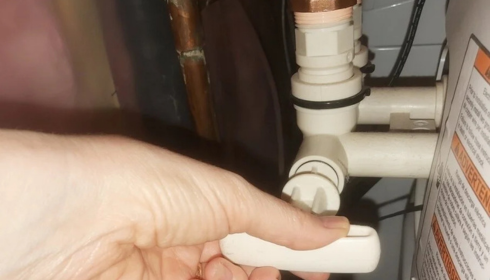
    Think of it as the detour sign for your water system. A bypass valve lets you divert water around the softener. In plain English? You’re telling your water, “Hey, skip the softener this time. Just go straight into the pipes.”

    Why would you do that? Tons of reasons. Maybe your softener needs servicing. Maybe you’re troubleshooting a leak. Maybe you’re filling up a pool and don’t want to waste softener salt on 10,000 gallons of splashy chaos. Or maybe you’re just not ready to deal with it all right now, and that’s fair.

    Either way, the bypass gives you control. Not just over how water flows—but over how your whole system behaves.


    Not All Setups Are the Same

    Here’s the thing: depending on who installed your system, where you live, or what brand you bought, your setup might look totally different than your neighbor’s. Some systems have a simple lever. Others use knobs, dials, or push-button valves. A few older models? They make you wish you kept that plumber’s number handy.

    No shame in it. If you’re standing in your garage, squinting at pipes and wondering “which one of these turns it off,” you’re not alone. The best move? Snap a pic of your setup. Label your valves with a sharpie. And maybe ask your plumber to walk you through it next time they’re around. Trust me, future-you will be grateful.


    When Should You Use It?

    Let’s say you’ve got a leak somewhere in the softener. You don’t need to shut off the water to the whole house. Just activate the bypass for water softener, and boom—problem contained. You can go about your day with hard water (not ideal, but doable) while you get the issue resolved.

    Or, maybe your softener’s regenerating and you’re impatient. Bypass it. Need to water the lawn and don’t want to use softened water on your plants? Bypass it. Guests coming over, and you’re worried about your system acting up? You get the picture.

    It’s like having an emergency lane for water—simple, direct, and sometimes life-saving when you’re in a pinch.


    Don’t Confuse a Bypass With a Shutdown

    Quick clarification: bypassing the softener doesn’t mean turning off the water entirely. Your taps, showers, appliances—they’ll still work. You’ll just be using untreated, hard water temporarily.

    Some homeowners freak out when they bypass and suddenly their shower doesn’t feel “soft” anymore. That’s normal. The softened water only comes through when the unit’s in play. If it’s bypassed, you’re essentially using water straight from the source, minerals and all.

    So no, your softener isn’t broken. You’ve just told it to take a break.


    What About Systems Without One?

    Believe it or not, not every home comes equipped with a built-in water bypass. Especially older houses or DIY installations. If you’re one of those folks, don’t worry—it’s not the end of the world.

    You can have a bypass installed after the fact. It’s not an enormous job for a plumber, and the convenience it brings is well worth the cost. Think of it as insurance against future surprises. You may never need to use it—but when you do, you’ll be glad it’s there.


    Is It OK to Leave It Bypassed?

    Short answer: Not really.

    Some people bypass their softener and forget to turn it back on. Others intentionally leave it bypassed because they “didn’t notice a difference.” Here’s the issue with that: over time, hard water damages your pipes, your appliances, and even your clothes. Sure, a few days won’t hurt. But weeks? Months? That’s when you start paying for it.

    Use the bypass responsibly. It’s not meant to be a permanent switch. Think of it more like airplane mode on your phone. Handy in certain situations, but definitely not for everyday life.


    The Final Word: Know Your System

    You don’t have to become a plumbing expert overnight. But getting to know the basic parts of your home’s water setup—especially the bypass valve—can make a world of difference.

    Understanding your water softener bypass might not win you trivia night, but it will help you troubleshoot problems faster, save money on service calls, and feel a little more in control of the mystery that is homeownership.

  • Softened Water: Is It Really Safe to Drink Every Day? Let’s Talk Honestly.

    Softened Water: Is It Really Safe to Drink Every Day? Let’s Talk Honestly.

    Let’s get something out of the way—most people don’t think much about the water coming out of their tap. We assume if it’s clear, it’s clean. If it doesn’t smell like eggs, it’s probably fine. But if you’ve recently installed a water softener—or are considering it—you’ve probably found yourself staring at your glass mid-sip, thinking: Wait… can I actually drink this?

    Fair question. And a common one, too. So let’s take a no-nonsense, human approach to unpack this whole “softened water” situation—what it really is, what it isn’t, and whether you should be filling your water bottle with it or steering clear.


    What Exactly Is Softened Water?

    Before we talk about drinking it, we need to understand what makes water “soft.” In a nutshell, hard water contains high levels of calcium and magnesium—minerals that, over time, can leave buildup on your fixtures, wreck your appliances, and make your skin feel like sandpaper after a shower.

    Water softeners work by replacing those minerals with sodium or potassium through a process called ion exchange. The result? Water that feels silkier, makes your soap lather like magic, and doesn’t trash your dishwasher.

    But here’s the catch—because of that sodium swap, the question often pops up: can you drink softened water without messing with your health?


    The Sodium Thing: Should You Be Worried?

    Let’s address the elephant in the glass: sodium. Yes, softening water with salt does add a bit of sodium to your water. But not nearly as much as people tend to think.

    For example, if you soften very hard water—say, around 10 grains per gallon—you might end up with about 20–30 mg of sodium in an 8-ounce glass. For context, that’s less than a slice of white bread.

    So, is softened water safe to drink for the average person? Absolutely. For most healthy individuals, the amount of sodium added during the softening process is minimal—especially compared to what we get from food.

    However, if you’re on a strict low-sodium diet due to hypertension or kidney issues, or you just don’t like the idea of extra salt in your water, there are other options. You can bypass your kitchen tap from the softener or install a reverse osmosis system under the sink to filter it out. Problem solved.


    What About Babies or Pets?

    Another question that crops up a lot is whether kids, babies, or even dogs and cats should be drinking softened water. There’s no dramatic answer here—it’s really more about preference and caution.

    For infants, especially those on formula, pediatricians usually recommend using filtered or distilled water anyway, not because soft water is harmful, but because it’s just more controlled and consistent in content. As for pets, most seem just fine lapping it up, though some owners prefer to keep them on unsoftened or filtered tap.

    So is soft water safe to drink for every living being in your house? Generally yes—but if you’re still unsure, it doesn’t hurt to be extra cautious, especially with those who are more sensitive.


    Taste: Yay or Nay?

    Now, let’s talk taste—because honestly, that’s what most people care about when it comes to drinking water. Some folks notice a slight difference in softened water. It can feel “slick” or have a faint mineral tang. Others don’t notice a thing.

    If you’re one of the taste-sensitive crowd, it might not be your favorite sip. Again, this is where installing a small under-sink filter can save the day. You get the benefits of softened water for your pipes and skin, but still enjoy crisp, clean-tasting water in your glass.

    It’s the best of both worlds. And you don’t need to overcomplicate it.


    Alternatives for the Health-Conscious (or the Skeptical)

    If you’re someone who still feels on the fence, know that water softeners aren’t your only option. Some systems use potassium instead of sodium (great if you’re watching your salt). Others pair softening with full filtration, giving you not just soft water but also cleaner, purer water all around.

    And if you’re truly just trying to make your water taste better without committing to a whole-house system, a good reverse osmosis filter under your sink might be all you need.

    The key is knowing your water, knowing your priorities, and choosing what works best for your life—not just what the internet or your neighbor says is best.


    Bottom Line: So, Can You Drink It?

    Alright, let’s wrap this up in plain terms.

    Yes, can you drink softened water? For the vast majority of people—yes, without any issue.

    Yes, is softened water safe to drink? Totally, especially when your water softener is properly maintained and you’re not dealing with any unusual health conditions that require ultra-low sodium intake.

    Yes, is soft water safe to drink for your everyday routines, hydration, cooking, and brewing that beloved cup of coffee? Again—yes.

    But if you’re still not loving the idea or the taste, or if someone in your home has special health needs, you’ve got easy solutions: filters, bypass taps, or dual systems that give you soft water where you need it and filtered water where you sip it.


    Final Thought: Your Water, Your Rules

    We’re all becoming more conscious about what goes into our bodies. It’s why we read labels, count steps, and yes—question our water. And that’s a good thing.