Blog

  • The Kind of Water You Don’t Think About—Because It Just Works

    The Kind of Water You Don’t Think About—Because It Just Works

    There’s a certain kind of comfort in not having to think about your water. You turn on the tap, fill a glass, maybe rinse some vegetables, and that’s it. No second guesses. No weird aftertaste. No tiny doubts creeping in.

    But if we’re being honest, most homes aren’t quite there.

    Not because the water is “bad,” necessarily—but because it’s… inconsistent. One day it tastes fine, the next it’s a little off. Showers feel great one week, then slightly drying the next. It’s subtle, almost forgettable, yet always there in the background.

    And once you notice it, it’s hard to unnotice.


    When Water Becomes More Than Just a Utility

    Water isn’t just something you drink. It’s woven into your daily life in ways that are easy to overlook.

    It runs through your appliances. It touches your skin. It’s in your cooking, your coffee, your laundry. And when something’s slightly off, the effects show up everywhere—not dramatically, but persistently.

    That’s why some homeowners start thinking beyond quick fixes. Instead of solving one issue at a time, they look at the bigger picture.

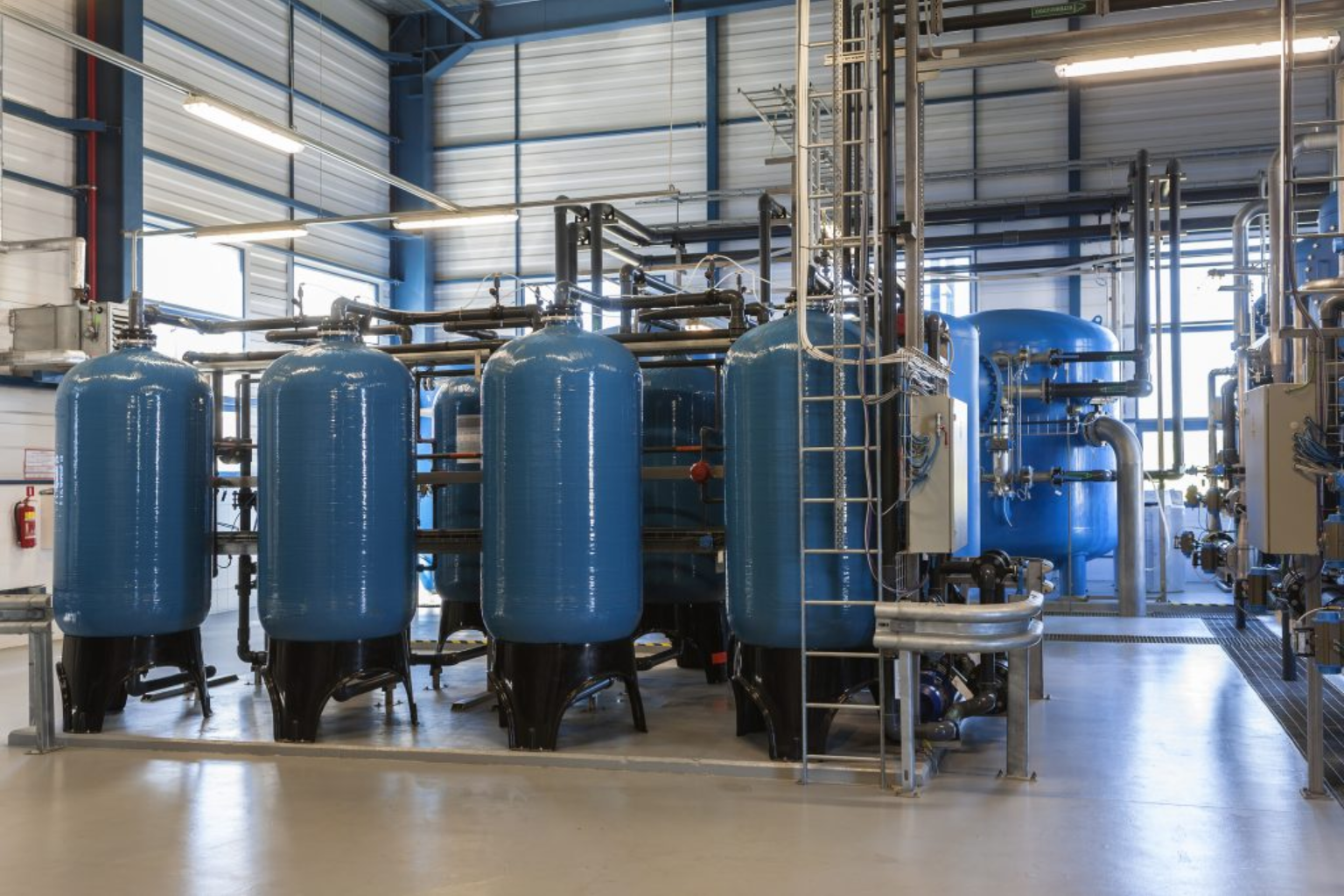
    That’s where whole home filters come into the conversation. Not as a luxury, but as a practical way to create consistency. When water is treated at the entry point, everything downstream benefits—your faucets, your appliances, even the air quality in your shower.

    It’s like setting the tone for your entire home, quietly and efficiently.


    The Drinking Water Shift You Didn’t Expect

    There’s something interesting that happens when your water improves: you start paying attention to taste.

    Not in a dramatic way. Just small moments—your morning tea feels smoother, your coffee less bitter, even plain water becomes more refreshing. It’s a subtle shift, but a meaningful one.

    And for many, this is where reverse osmosis tech makes a noticeable difference. It focuses on drinking water specifically, filtering out fine contaminants that other systems might miss.

    The result isn’t just cleaner water—it’s water that feels… complete. Crisp. Balanced.

    And once you get used to that kind of clarity, going back to untreated tap water feels a bit like downgrading, even if you can’t fully explain why.


    Not All Water Problems Look the Same

    Here’s where things get a bit nuanced.

    Not every home faces the same water challenges. Some deal with hardness, others with chlorine, others with sediment or trace contaminants. It’s rarely a one-size-fits-all situation.

    You might notice spots on your glassware, or a faint smell that lingers just long enough to be annoying. Maybe your skin feels dry after showers, or your appliances seem to wear out faster than expected.

    These aren’t isolated issues—they’re connected. And solving them often requires a more tailored approach.

    That’s where specialty filter options come into play. Instead of trying to fix everything with a single system, these solutions target specific concerns, whether it’s removing iron, reducing odors, or improving overall clarity.

    It’s less about doing more, and more about doing the right thing.


    The Quiet Benefits That Add Up Over Time

    Improving your water doesn’t usually feel like a big, dramatic change. It’s more like a series of small upgrades that sneak up on you.

    Your dishwasher works better. Your clothes feel softer. Your bathroom fixtures stay cleaner for longer. Even your water heater might run more efficiently, though you probably won’t notice it right away.

    And then there are the personal touches.

    Showers feel more comfortable. Your skin doesn’t feel as tight or dry. Your hair behaves just a little better. These are the kinds of changes that don’t demand attention—but they improve your daily routine in ways that are hard to ignore once you’ve experienced them.


    Why It’s Easy to Put Off (But Worth Doing Anyway)

    Let’s be real—water quality isn’t something most people rush to fix.

    It’s not urgent. It doesn’t break suddenly like a pipe or an appliance. Instead, it lingers in the background, quietly affecting things over time.

    That’s why it’s easy to delay. To think, “It’s fine for now.”

    And maybe it is. But “fine” isn’t always the same as good.

    Over time, those small inconveniences—extra cleaning, slightly off tastes, minor discomfort—start to add up. And by the time you decide to address them, you’ve already adapted to a level of inconvenience that didn’t need to be there in the first place.


    Finding Your Balance Without Overthinking It

    If there’s one thing to keep in mind, it’s this: improving your water doesn’t have to be complicated.

    You don’t need the most advanced system or the most expensive setup. What you need is clarity—understanding what’s actually in your water and what needs to be addressed.

    Sometimes, a single solution is enough. Other times, a combination works best. The key is to match the solution to your situation, not the other way around.

    And once it’s in place, you’ll likely forget about it. Which, in a way, is the whole point.


    A Final Thought, Somewhere Between Habit and Comfort

    Water is one of those things that should just work. It shouldn’t require constant attention or adjustment. It should be reliable, consistent, and quietly supportive of your daily life.

    And when it is, you notice—not because it stands out, but because nothing feels off anymore.

    So if you’ve been thinking about your water, even just a little, that’s probably enough reason to explore it further.

    Because sometimes, the best improvements aren’t the ones you see.

    They’re the ones you stop noticing altogether.

  • Choosing the Right Roof Isn’t Just About Looks—It’s About Living With It Every Day

    Choosing the Right Roof Isn’t Just About Looks—It’s About Living With It Every Day

    There’s a funny thing about roofs—we rarely think about them until we have to. They sit there, quietly doing their job, shielding us from sun, rain, and everything in between. And then one day, maybe during a storm or a renovation plan, they suddenly become the center of attention.

    If you’ve ever stood outside your house, looking up and wondering what kind of roof actually makes sense—not just now, but years down the line—you’re not alone. It’s one of those decisions that feels bigger the more you think about it.

    Because a roof isn’t just a surface. It’s part of how your home breathes, ages, and holds up over time.


    It Starts With Understanding How You Live

    Before getting into materials or styles, it helps to step back a bit.

    Do you deal with intense heat most of the year? Heavy rainfall? Sudden temperature swings? Or maybe your priority is low maintenance because, honestly, you don’t want to think about your roof again anytime soon.

    The right choice isn’t universal. It depends on how your home interacts with its surroundings—and how much attention you’re willing to give it over time.

    Some people want durability above all else. Others care about aesthetics. Most fall somewhere in between.


    Why Simplicity Still Works for Many Homes

    There’s a reason asphalt shingles are so widely used. They’re practical, accessible, and—when installed properly—surprisingly reliable.

    They don’t try to be flashy. They just do the job.

    For many homeowners, that’s enough. They handle typical weather conditions well, and repairs are usually straightforward if something goes wrong. Plus, they come in a variety of colors and styles, so you’re not stuck with a one-size-fits-all look.

    But here’s the honest part—they’re not forever.

    Over time, exposure to sun and rain wears them down. They might need replacing sooner than some other materials. Still, for many households, the balance of cost and performance makes sense.

    Sometimes, simple is exactly what you need.


    When You Want Something That Lasts a Little Longer

    Then there are options that lean more toward longevity and character.

    Materials like metal & cedar roofing offer a different kind of appeal. Metal roofs, for instance, are known for their durability and resistance to harsh weather. Cedar, on the other hand, brings a natural warmth and texture that’s hard to replicate.

    These choices often feel more intentional—like you’re investing not just in protection, but in how your home presents itself over time.

    Of course, they come with their own considerations. Higher upfront costs, specific maintenance needs, and sometimes more complex installation.

    But for many people, the trade-off is worth it. A roof that lasts longer and ages gracefully can change how you feel about your home in subtle ways.


    The Part People Often Overlook

    Here’s something that doesn’t get talked about enough: what’s happening beneath the surface.

    You can choose the best materials in the world, but if your roof isn’t properly supported or ventilated, problems will find a way in.

    That’s where ventilation solutions come into play.

    Good ventilation helps regulate temperature and moisture levels in your attic. It prevents heat from building up in the summer and reduces condensation during cooler months.

    Without it, even a high-quality roof can suffer. Shingles may deteriorate faster. Wood can warp. Energy efficiency takes a hit.

    It’s not the most exciting part of roofing, but it’s one of the most important.


    Balancing Aesthetics and Practicality

    It’s easy to get caught up in how a roof looks—and that’s fair. It’s a major visual element of your home.

    But a beautiful roof that doesn’t perform well? That’s a problem waiting to happen.

    The goal is to find a balance. Something that complements your home’s style while also handling your local climate and daily wear.

    Sometimes that means compromising a little. Maybe you choose a slightly less striking material because it offers better durability. Or you invest more in a look you love because you know it’ll make you happy every time you see it.

    There’s no perfect answer. Just the one that feels right for you.


    Thinking Beyond the Installation Day

    One thing people often underestimate is how their relationship with the roof continues long after installation.

    How often will it need maintenance? Are repairs easy or complicated? Will it require regular inspections, or can it mostly be left alone?

    These are the questions that shape your long-term experience.

    A roof that fits your lifestyle—whether that means minimal upkeep or hands-on care—will always feel like the better choice, even years later.


    When It Finally Comes Together

    There’s a moment, after everything is done, when you step back and take it all in.

    The lines look clean. The materials sit just right. The house feels… complete in a way it didn’t before.

    And over time, that feeling settles into something quieter. You stop thinking about the roof altogether. It just works.

    No second-guessing. No constant checking.

    Just the quiet confidence that your home is protected.


    A Final Thought Before You Decide

    If you’re in the process of choosing a roof—or even just starting to think about it—don’t rush.

    Take the time to understand your options. Ask questions. Consider not just what looks good today, but what will still feel right years from now.

    Because the best roofing decision isn’t about trends or quick fixes. It’s about creating something that fits your home, your environment, and your life.

    And when you get that balance right, your roof becomes what it was always meant to be—something you can rely on, without having to think about it every single day.

  • A Roof You Don’t Think About Is Usually a Good One

    A Roof You Don’t Think About Is Usually a Good One

    There’s something oddly comforting about not thinking about your roof. It means things are working. No leaks, no weird noises, no surprise repairs eating into your savings. Just quiet, dependable protection doing its thing in the background.

    But the moment something feels off—a draft, a stain, a missing piece—you suddenly realize how much you rely on something you barely notice. And then begins the spiral of decisions. Materials, costs, contractors… it’s a lot.

    I’ve always felt roofing decisions sit somewhere between practical necessity and long-term investment. You don’t want to overthink it, but you also can’t afford to get it wrong.


    Why Most People Start with What They Know

    When it comes to roofing, familiarity plays a big role. People tend to lean toward what they’ve seen around them growing up or in their neighborhood.

    That’s one reason asphalt shingle roofs remain so common. They’re almost everywhere. Affordable, easy to install, and available in a variety of colors—it’s a safe, predictable option.

    And sometimes, that’s exactly what people want. Something that works without overcomplicating things.

    But like anything familiar, it has its trade-offs. Asphalt shingles can wear down over time, especially under harsh sunlight or heavy rains. They may need maintenance sooner than you expect, and their lifespan, while decent, isn’t always impressive compared to other materials.

    Still, for many homeowners, the balance between cost and convenience makes sense. Not perfect—but practical.


    When Longevity Becomes the Priority

    At some point, though, practicality starts to shift toward durability. Especially if you’ve already dealt with repairs or replacements before.

    That’s where metal roof installs come into the conversation.

    There’s something reassuring about a material that feels built to last. Metal roofs don’t just sit there—they resist. Heat, rain, wind—they handle it all with a kind of quiet strength.

    I once visited a property where the roof had been installed decades ago, and it still looked almost untouched. That kind of longevity changes how you think about roofing altogether.

    Of course, it comes with a higher upfront cost. And yes, some people worry about noise during rain. But honestly, for others, that soft tapping sound becomes part of the home’s charm.

    It’s less about whether metal is “better” and more about whether it fits your priorities.


    It’s Not Just the Surface That Matters

    Here’s something a lot of people overlook—the visible part of the roof is only one piece of the puzzle.

    Underneath, there’s an entire system at work. Layers of protection, ventilation pathways, insulation, sealing. Each one plays a role in how well your roof performs over time.

    That’s where durable roof components quietly make all the difference.

    You might not see them, but they’re there—holding things together, preventing moisture buildup, managing airflow. And when they’re done right, they extend the life of your entire roofing system.

    It’s a bit like the foundation of a house. You don’t notice it every day, but everything depends on it.


    The Balance Between Budget and Peace of Mind

    Roofing decisions almost always come down to a balance.

    How much are you willing to spend now… versus how much you might spend later?

    It’s tempting to go with the cheaper option, especially when everything looks fine on the surface. But over time, those savings can disappear if repairs start adding up.

    On the flip side, investing more upfront can feel like a stretch—even if it means fewer headaches down the line.

    There’s no universal answer here. Just a series of trade-offs that depend on your situation, your plans, and sometimes, your gut feeling.


    The Role of Installation (More Important Than You Think)

    Even the best materials won’t perform well if they’re not installed properly.

    This is where things can get tricky. Because from the outside, a finished roof might look perfect. Clean lines, even placement, everything in place.

    But what really matters is what’s happening underneath. The alignment, the sealing, the way each layer connects to the next.

    A small mistake during installation might not show up immediately. But give it time—through heat, rain, and wear—and it can turn into a bigger issue.

    That’s why choosing the right professionals matters just as much as choosing the right materials.


    Weather Always Has the Final Say

    No matter how well a roof is built, the weather will always test it.

    Intense sun can weaken materials over time. Heavy rains find their way into the smallest gaps. Wind challenges every edge, every corner.

    You can’t control the weather, but you can prepare for it.

    Choosing the right material for your environment, ensuring proper installation, and keeping up with maintenance—it all adds up. Not in a dramatic way, but in a steady, reliable one.


    A Quiet Investment You Live With Every Day

    Roofs aren’t exciting. They don’t add visible luxury or immediate satisfaction. You won’t show them off to guests or talk about them over dinner.

    But every single day, they’re doing something important.

    Protecting your home. Your belongings. Your routines.

    And when they work well, you don’t notice them at all—which, in a strange way, is the best outcome.


    Final Thoughts — It’s About More Than Just Materials

    At the end of the day, roofing decisions aren’t just about shingles or metal or components. They’re about how you want your home to feel.

    Secure. Comfortable. Low-maintenance.

    There’s no perfect choice—only the one that fits your needs, your environment, and your priorities.

    So take your time. Ask questions. Think it through.

    Because when it comes to something that quietly protects everything you care about, getting it right isn’t just important—it’s worth it.

  • Why Better Water Feels Like a Small Luxury You Didn’t Know You Needed

    Why Better Water Feels Like a Small Luxury You Didn’t Know You Needed

    There’s something oddly satisfying about stepping out of a shower and not immediately reaching for lotion. Or pulling clothes out of the washing machine and noticing they actually feel… soft. Not stiff, not slightly rough, just clean in the way you always expected them to be.

    For a long time, I thought those things were about products — better soap, expensive detergent, maybe even luck. But at some point, it clicks. It’s not just what you’re using. It’s the water itself.

    And once you notice that, it’s hard to ignore.


    The Quiet Influence of Water on Everyday Life

    Water has this way of blending into the background. It’s everywhere, yet we rarely think about it. Until it starts affecting things we care about.

    Maybe your shampoo doesn’t quite do what it promises. Maybe your towels feel scratchy no matter how many times you wash them. Or your bathroom fixtures seem to collect spots faster than you can clean them.

    Individually, these are small annoyances. But together, they start shaping your daily routine in ways that feel… off.

    That’s where conversations around soft water benefits begin — not because people are chasing upgrades, but because they’re tired of working around problems that shouldn’t be there in the first place.


    When Your Shower Feels Different (In a Good Way)

    Let’s talk about something simple: showers.

    You’d think water is water, right? But if you’ve ever experienced the difference, you know it’s not that straightforward.

    With softer water, soap lathers more easily. It rinses off cleanly. Your skin doesn’t feel tight or dry afterward. Instead, there’s this subtle smoothness that lingers — not greasy, not coated, just… comfortable.

    That’s why people often mention softer skin & hair when they talk about improving their water. It’s not a marketing phrase; it’s something you feel almost immediately.

    Hair feels lighter, less weighed down. Skin feels less irritated. It’s one of those changes that doesn’t scream for attention but quietly improves your routine.


    Laundry That Actually Feels Clean

    Now, onto laundry — because this is where things get surprisingly noticeable.

    If you’ve ever washed a fresh set of clothes only to find them feeling stiff or slightly dull, you’re not alone. Hard water minerals can cling to fabrics, making them less flexible and more prone to wear.

    With better water, something shifts. Colors look brighter. Whites stay white longer. Fabrics feel softer without needing extra softeners or additives.

    That’s the kind of transformation people mean when they talk about bright laundry results. It’s not about perfection — it’s about clothes feeling the way they’re supposed to feel in the first place.


    The Ripple Effect You Don’t Expect

    What’s interesting is how these changes extend beyond the obvious.

    You start using less soap, less shampoo, less detergent. Cleaning becomes easier because there’s less residue to deal with. Your fixtures stay cleaner for longer, which means less scrubbing, less effort.

    Even your appliances — washing machines, dishwashers — seem to work more efficiently when they’re not constantly dealing with mineral buildup.

    It’s not one big change. It’s a series of small improvements that add up over time.


    It’s Not About Luxury — It’s About Comfort

    There’s a tendency to think of water improvements as a luxury. Something optional, something you might consider “someday.”

    But when you look at it differently, it’s less about luxury and more about comfort.

    It’s about removing friction from your daily life. Making simple routines — showering, washing clothes, cleaning dishes — feel easier and more satisfying.

    And honestly, those are the things we do every single day. Shouldn’t they feel good?


    Why We Often Don’t Notice Until We Do

    One of the reasons people delay thinking about water quality is because the issues don’t feel urgent.

    There’s no alarm going off. No immediate problem that demands attention. Just a series of small inconveniences that we learn to live with.

    But once you experience better water, the difference becomes obvious.

    It’s like adjusting to a better pair of shoes. You didn’t realize how uncomfortable the old ones were until you replaced them.


    Finding What Works for Your Home

    If you’re considering improving your water, it doesn’t have to be complicated.

    Start by paying attention. Notice how your water feels, tastes, interacts with your home. From there, it becomes easier to identify what might need improvement.

    There’s no one-size-fits-all solution, and that’s okay. The goal isn’t to have the most advanced system — it’s to have the right one for your needs.


    A Change That Stays With You

    At the end of the day, better water isn’t something you show off. It’s not visible in the way a new piece of furniture or a fresh coat of paint is.

    But it’s something you experience — every morning, every evening, every time you turn on the tap.

    Softer showers. Cleaner clothes. Less effort, more comfort.

  • The Quiet Upgrade Your Home Might Be Missing: Rethinking Water From the Ground Up

    The Quiet Upgrade Your Home Might Be Missing: Rethinking Water From the Ground Up

    There’s a strange thing about water—it’s everywhere in your home, yet it’s one of the least questioned parts of it. You’ll spend time choosing tiles, comparing appliances, even debating paint shades… but water? It’s just assumed to be fine.

    Until it isn’t.

    Maybe it’s the faint smell when you turn on the tap. Or the way your shower glass seems to never stay clear, no matter how often you clean it. Sometimes it’s subtler—your skin feeling a bit tighter, your laundry not quite as soft as it should be. Little clues, scattered through your day.

    And once you start connecting them, you realize something: water quality isn’t just a background detail. It shapes your home more than you think.

    Looking Beyond the Tap

    Most people associate water quality with drinking water, and that makes sense. But what about everything else?

    You shower in it. Wash your clothes with it. Clean your dishes, your floors, your hands—again and again, every single day. If there’s something off, it doesn’t stay contained to one area. It spreads across your entire routine.

    That’s why more homeowners are starting to think bigger. Instead of focusing on one tap or one filter, they’re looking at the entire system.

    And that shift changes everything.

    Why Treating All Your Water Makes a Difference

    When you install whole house filters, you’re essentially upgrading the water at its entry point—before it reaches any faucet, appliance, or pipe inside your home.

    It’s a bit like setting the tone for everything that follows.

    Instead of fixing issues in isolated spots, you’re improving the baseline. Showers feel cleaner. Laundry comes out fresher. Even your plumbing benefits from reduced buildup and fewer impurities.

    It’s not just about convenience, either. It’s about consistency. Every tap, every use, every day—better water, without needing to think about it.

    And honestly, that kind of simplicity is underrated.

    The Subtle Impact of Cleaner Water

    One of the most common complaints homeowners have is about chlorine. It’s often added to municipal water supplies for safety, but it doesn’t always leave the most pleasant experience behind.

    That slight chemical smell? The dryness after a shower? They’re all connected.

    Addressing sediment & chlorine removal can make a noticeable difference, even if you didn’t realize how much it was affecting you before.

    Water starts to feel… softer, in a way that’s hard to describe. Not necessarily because the minerals are gone, but because the overall quality has improved. The smell fades. The taste becomes more neutral. And everyday tasks—like washing your hands or rinsing vegetables—just feel a bit more natural.

    It’s one of those changes you don’t fully appreciate until it’s there.

    When Basic Filtration Isn’t Enough

    Of course, not all water issues are created equal. Some homes deal with more complex challenges—higher mineral content, specific contaminants, or aging infrastructure that affects water quality.

    In those cases, standard filtration might not be enough.

    That’s where advanced water treatment products come into play. These systems go beyond basic filtering, targeting specific concerns with a more tailored approach.

    It might involve multiple stages of filtration, specialized media, or additional treatment methods designed to handle unique water profiles.

    And while it sounds technical, the goal is simple: create water that works better for your home, your needs, and your daily life.

    Finding the Right Balance Without Overdoing It

    It’s easy to get caught up in the idea that more is always better. More filtration, more stages, more technology.

    But in reality, the best solution is the one that fits—nothing more, nothing less.

    Some homes benefit from a straightforward whole-house system. Others might need a combination of filtration and targeted treatments. And sometimes, a small adjustment can make a bigger impact than a complete overhaul.

    The key is understanding what your water actually needs, not what seems impressive on paper.

    Because at the end of the day, this isn’t about having the most advanced setup. It’s about having the right one.

    The Everyday Benefits You Didn’t Expect

    What’s interesting is how these changes ripple through your routine in ways you might not anticipate.

    You might find yourself spending less time cleaning soap scum from your bathroom. Or noticing that your clothes hold their color a bit longer. Even your kitchen might feel different—dishes looking clearer, food tasting slightly better.

    And then there’s the long-term side of things. Appliances tend to last longer when they’re not constantly dealing with buildup or impurities. Pipes stay cleaner. Maintenance becomes less frequent.

    It’s not something you see overnight. But over time, it adds up.

    A Home That Feels Just a Bit Better

    There’s a certain comfort in knowing your home is working the way it should. Not perfectly—homes rarely are—but smoothly, without unnecessary friction.

    Better water contributes to that in a quiet, almost invisible way.

    It’s not something guests will comment on. It’s not a feature you’ll show off. But you’ll feel it. In small moments, throughout your day.

    And maybe that’s what makes it so worthwhile.

    Rethinking What “Good Enough” Really Means

    For a long time, “good enough” water was exactly that—acceptable, functional, nothing more. But as more people start paying attention, that definition is shifting.

    Good enough is becoming better.

    Not because it has to be, but because it can be.

    And once you realize how much of your daily life revolves around water, it’s hard not to wonder what a small improvement could do.

    Because sometimes, the most meaningful upgrades aren’t the ones you see—they’re the ones you experience, quietly, every single day.

  • When a Home Grows With You: Rethinking Space Through Thoughtful Remodeling

    When a Home Grows With You: Rethinking Space Through Thoughtful Remodeling

    There’s a quiet moment that often sparks the idea of remodeling. Not dramatic, not urgent—just a feeling. Maybe the layout feels a bit cramped, or the rooms don’t quite flow the way your life does anymore. You move through your space and realize… it used to fit better.

    Homes don’t stay static, even if the walls do. Families grow, routines shift, priorities change. And eventually, the house that once felt perfect starts to feel slightly out of sync.

    That’s usually when the thought of change begins—not because something is broken, but because something could be better.


    More Than a Makeover: When You Consider Starting Fresh

    There’s remodeling, and then there’s going all in.

    A full home remodel isn’t just about updating finishes or swapping out fixtures. It’s about stepping back and asking a bigger question: how should this space actually work for me now?

    It can mean rethinking layouts, opening up walls, or even redefining how rooms are used. Maybe the formal dining room becomes a workspace. Maybe the kitchen expands into a social hub. Maybe storage is finally designed with real life in mind.

    It’s a bigger commitment, sure. But it also opens the door to creating a home that truly reflects where you are now—not where you were when you first moved in.


    The Value of Talking It Through Before You Begin

    One of the most overlooked parts of remodeling happens before any tools come out.

    The conversations.

    A good design consultation isn’t about picking colors or scrolling through inspiration photos (though that’s part of it). It’s about understanding how you live in your space.

    What works? What doesn’t? Where do things feel easy, and where do they feel like a constant workaround?

    Sometimes, the solutions aren’t obvious. A small shift in layout can change how an entire area feels. A different approach to lighting can transform a room without altering its structure.

    And often, just talking through your ideas with someone experienced helps bring clarity. It turns vague thoughts into something more tangible.


    Why the Process Matters as Much as the Outcome

    Let’s be honest—remodeling can feel overwhelming.

    There are decisions to make, timelines to manage, and a lot of moving parts that don’t always line up perfectly. It’s not just about choosing what you want; it’s about navigating how everything comes together.

    That’s where project management quietly becomes one of the most important pieces of the puzzle.

    Coordinating schedules, handling unexpected issues, keeping everything on track—it’s the behind-the-scenes work that determines whether the experience feels smooth or stressful.

    When it’s done well, you barely notice it. Things move forward, decisions get made, and progress feels steady.

    When it’s not… well, that’s when delays, confusion, and frustration tend to creep in.


    Balancing Vision With Reality

    One of the trickiest parts of remodeling is balancing what you imagine with what’s actually possible.

    Budget, space constraints, structural considerations—they all play a role. And sometimes, they require adjustments to your original plan.

    But here’s the interesting part: those adjustments don’t necessarily make the result worse.

    In many cases, they lead to better, more practical solutions. Ideas that work not just visually, but functionally.

    It’s less about holding onto a perfect vision and more about shaping something that fits both your goals and your reality.


    Living Through the Process (Yes, It’s Part of the Journey)

    There’s no way around it—remodeling disrupts your routine.

    Rooms might be out of use, noise becomes part of your day, and things feel a bit unsettled for a while.

    It’s not always comfortable.

    But there’s also a strange kind of anticipation that comes with it. Watching your space change, seeing progress take shape—it creates a sense of movement, of something evolving.

    And while the process can test your patience, it also makes the final result feel more meaningful.

    Because you didn’t just arrive there—you experienced the journey.


    What Changes After the Work Is Done

    When everything is finally complete, there’s a moment where you step back and take it in.

    Not just how it looks, but how it feels.

    The flow between rooms makes more sense. Daily routines feel easier. Spaces that once felt underused or awkward now serve a clear purpose.

    It’s not always about dramatic transformation. Sometimes, it’s the subtle shifts that stand out most.

    A kitchen that feels more open. A living area that invites you to stay a little longer. A layout that finally aligns with how you move through your day.


    A Final Thought: Your Home Should Evolve With You

    We often think of homes as fixed structures—built once, then maintained.

    But the reality is, the best homes evolve.

    They adapt to new needs, reflect changing priorities, and grow alongside the people who live in them.

    Remodeling, when done thoughtfully, isn’t just about updating a space. It’s about realigning it with your life as it is now.

    And that’s what makes the effort worthwhile.

    Because at the end of it all, you’re not just improving a house—you’re creating a space that feels more like home than it did before.

  • Running a Smoother Door Business: What Actually Makes the Difference

    Running a Smoother Door Business: What Actually Makes the Difference

    There’s a point in every growing business where things start to feel… messy. Orders come in faster than expected, suppliers get harder to manage, and suddenly what used to be simple becomes layered with small complications. Not overwhelming, exactly — just enough to slow everything down.

    If you’re in the iron door space, you’ve probably felt this at some stage. It’s not always about demand. In fact, demand is usually the good part. The challenge is everything happening behind the scenes — inventory, timelines, communication. The stuff customers never see, but always feel when it goes wrong.


    When Inventory Becomes More Than Storage

    At first, managing stock seems straightforward. You order what you need, store it, sell it. Easy enough.

    But once the volume increases, things change. Suddenly, you’re dealing with variations — sizes, finishes, custom requests, lead times. And if your system isn’t set up properly, it starts to show. Delays creep in. Orders get mixed up. Customers start asking questions you don’t always have clear answers to.

    That’s where iron door inventory solutions begin to matter in a real, practical way. It’s not about fancy systems or complicated software. It’s about clarity. Knowing what you have, what’s coming in, and what’s already promised to someone else.

    Simple things, really. But when they’re handled well, everything else feels smoother.


    The Quiet Pressure of Large Orders

    There’s something exciting about landing a big order. It feels like progress, like the business is moving forward. And it is. But along with that excitement comes a certain pressure.

    Can you fulfill it on time? Will the quality stay consistent across every piece? What happens if something goes slightly off track?

    Handling larger requests requires more than just stock — it requires structure. Good communication with suppliers, clear timelines, and a bit of flexibility when things don’t go exactly as planned.

    That’s why reliable bulk order support isn’t just a bonus; it’s essential. When suppliers understand the scale you’re working with, they tend to respond differently. More attentive, more prepared. And that makes a noticeable difference when deadlines are tight.


    Understanding the Business Behind the Product

    One thing that often gets overlooked is how much information actually matters in this industry. Not just product specs, but the details around ordering, pricing tiers, delivery timelines, and policies.

    It’s easy to assume you’ll figure it out as you go. And sometimes you do. But having clear, upfront reseller account info can save a surprising amount of time.

    It removes the guesswork. You know what to expect, what’s required, and how the relationship works from the start. And that clarity allows you to focus more on selling and less on chasing answers.


    Why Systems Beat Short-Term Fixes

    It’s tempting to solve problems as they come. A delay here, a stock issue there — you handle it, move on, and hope it doesn’t happen again.

    But over time, those small fixes start to pile up. And without a proper system, the same issues tend to repeat themselves.

    Building a smoother operation isn’t about eliminating problems entirely. That’s not realistic. It’s about reducing how often they happen and how much they disrupt your flow.

    A good system doesn’t need to be perfect. It just needs to be consistent. Predictable. Something you can rely on even when things get busy.


    Balancing Growth With Control

    Growth is great — everyone wants it. But it comes with its own set of challenges.

    As orders increase, so does complexity. More products, more customers, more moving parts. And without the right structure, that growth can start to feel chaotic instead of exciting.

    The key is balance.

    You want to expand, but not at the cost of control. You want more business, but not more confusion. That balance often comes down to how well your backend processes are set up — inventory, supplier relationships, communication channels.

    Get those right, and growth feels manageable. Even enjoyable, at times.


    The Human Side of Operations

    It’s easy to think of business systems as purely technical — numbers, processes, logistics. But there’s a human side to all of it.

    Behind every order is a person waiting. Behind every delay is a conversation that needs to happen. And behind every successful delivery is a chain of people who made it possible.

    Keeping that perspective helps. It reminds you that efficiency isn’t just about speed — it’s about reliability. About creating an experience that feels smooth for everyone involved.

    And sometimes, that comes down to small things. A quick response, a clear update, a willingness to adjust when needed.


    A Closing Thought That Feels Real

    Running an iron door business — or any product-based business, really — isn’t just about what you sell. It’s about how you manage everything around it.

    The products might get the attention, but it’s the systems that keep things moving.

    When inventory is clear, orders are supported, and information is easy to access, the whole operation feels lighter. More controlled. Less reactive.

    And maybe that’s the goal, in the end. Not perfection, not constant hustle — just a business that runs smoothly enough that you can actually enjoy building it.

  • Tennis Court Flooring Guide: Options, Benefits & Maintenance Tips

    Tennis Court Flooring Guide: Options, Benefits & Maintenance Tips

    Choosing the right tennis court flooring is one of the most important decisions in tennis court construction and renovation. The surface of a tennis court directly affects ball bounce, player movement, safety, maintenance cost, and the overall playing experience. Whether the court is designed for a school, sports academy, residential society, or professional facility, the flooring system determines how well the court performs over time.

    With advancements in surface technology, modern tennis court flooring materials offer far better durability, consistency, and ease of maintenance compared to traditional courts

    What Is Tennis Court Flooring?

    Tennis court flooring refers to the complete surface system applied over a prepared base to create a playable court. It is not just a topcoat or paint layer but a multi-layer system designed to support movement, ball response, and long-term durability.

    A standard tennis court flooring system includes base preparation, leveling layers, surface coatings, texture layers for grip, and line markings. Each layer contributes to the court’s performance, making flooring selection a technical decision rather than a purely aesthetic one.

    Why Tennis Court Flooring Matters

    The quality of tennis court flooring has a direct impact on how the game is played. Inconsistent surfaces lead to unpredictable bounce and increased risk of injury. Poor drainage or surface cracks can make courts unplayable for long periods.

    High-quality tennis court flooring ensures consistent playing conditions, reduces strain on players’ joints, and allows year-round use with minimal interruptions. This is especially important for facilities with frequent daily usage.

    Evolution of Tennis Court Flooring Materials

    Historically, tennis was played on natural surfaces such as grass and clay. While these surfaces offer unique playing characteristics, they require intensive maintenance and are highly dependent on weather conditions.

    As tennis infrastructure expanded globally, the need for low-maintenance, all-weather solutions led to the development of synthetic tennis court flooring materials. Today, synthetic systems dominate new installations because they combine performance reliability with cost efficiency.

    Popular Tennis Court Flooring Materials Used Today

    Modern tennis courts rely primarily on synthetic materials designed to meet international playing standards.

    Synthetic Acrylic Tennis Court Flooring

    Synthetic acrylic is the most widely used tennis court flooring material. It consists of multiple acrylic coating layers applied over a concrete or asphalt base. The surface provides controlled speed, consistent ball bounce, and excellent traction.

    Acrylic tennis court flooring is suitable for outdoor and semi-covered courts and performs well in varying climatic conditions. Its low maintenance requirement makes it ideal for schools, clubs, academies, and residential complexes.

    Cushioned Acrylic Tennis Court Flooring

    Cushioned systems include elastic layers beneath the acrylic surface to improve shock absorption. These layers reduce stress on players’ knees and ankles, making the court more comfortable for extended play.

    Cushioned tennis court flooring materials are commonly used in training academies and high-usage facilities where player safety and comfort are priorities.

    Clay-Style Synthetic Tennis Flooring

    Clay-style synthetic flooring replicates the slower pace and higher bounce of traditional clay courts without the daily maintenance. These surfaces are used primarily in training environments focused on endurance and rally-based play.

    Although less common than acrylic systems, they remain a viable option for specialized tennis facilities.

    Indoor vs Outdoor Tennis Court Flooring

    Outdoor tennis court flooring must withstand sunlight, rain, and temperature fluctuations. Synthetic acrylic tennis court flooring materials are designed with UV-resistant pigments and weather-resistant binders to handle outdoor exposure.

    Indoor tennis court flooring focuses more on grip consistency, cushioning, and visual clarity. Since weather exposure is limited indoors, surface texture and speed can be customized based on playing requirements.

    Selecting the right flooring depends on whether the court is fully outdoor, indoor, or semi-covered.

    Tennis Court Flooring Construction Process

    The performance of tennis court flooring depends heavily on proper construction practices. The process begins with site inspection and base preparation, usually concrete with the correct slope for drainage. Surface leveling and crack treatment ensure a smooth foundation.

    Primer coats are applied to improve bonding between layers. Acrylic resurfacer coats build texture and durability, followed by color coats that define the playing area. Accurate line markings complete the court according to standard dimensions.

    Each step plays a crucial role in the longevity and performance of the flooring system.

    Benefits of Modern Tennis Court Flooring

    Modern tennis court flooring materials offer several advantages over traditional surfaces. They provide consistent playability across seasons, require minimal daily maintenance, and offer better control over surface speed and grip.

    Synthetic systems also reduce downtime caused by weather and allow facilities to operate more efficiently. Over the long term, these benefits translate into lower operational costs and better user satisfaction.

    Maintenance Tips for Tennis Court Flooring

    One of the key reasons synthetic tennis court flooring is widely adopted is its ease of maintenance. Regular cleaning helps remove dust, leaves, and debris that may affect grip. Periodic inspections allow early detection of surface wear or minor cracks.

    Unlike clay or grass courts, synthetic tennis court flooring does not require watering, rolling, or frequent resurfacing. After several years of use, recoating the surface restores performance and appearance without rebuilding the court.

    Proper maintenance ensures the flooring system continues to perform as intended throughout its lifespan.

    Choosing the Right Tennis Court Flooring Material

    Selecting the right tennis court flooring material depends on usage intensity, player profile, climate conditions, and budget. Facilities with heavy daily use benefit from durable acrylic systems, while training centers may prioritize cushioned surfaces for injury prevention.

    Rather than focusing only on installation cost, it is important to consider long-term performance and maintenance requirements. The right flooring choice delivers better value over time.

    Common Mistakes to Avoid in Tennis Court Flooring Selection

    Choosing flooring based solely on appearance or short-term cost often leads to performance issues. Inadequate base preparation, improper slope, or low-quality materials can result in cracks, water pooling, and uneven bounce.

    Working with experienced professionals and using proven tennis court flooring materials helps avoid these issues and ensures consistent performance.

    Future Trends in Tennis Court Flooring

    The future of tennis court flooring lies in improved sustainability, enhanced cushioning technologies, and surfaces designed for player safety. Manufacturers are increasingly focusing on eco-friendly materials and systems that offer better shock absorption without compromising playability.

    As tennis continues to grow at grassroots and professional levels, demand for reliable, low-maintenance flooring solutions will continue to rise.

    Final Thoughts

    A well-designed tennis court flooring system is the foundation of a high-quality playing experience. The right tennis court flooring materials ensure consistent ball bounce, player safety, and long-term durability.

    Modern synthetic flooring systems offer the perfect balance between performance and maintenance, making them the preferred choice for most tennis facilities today. Investing in the right flooring solution ensures that the court remains playable, safe, and visually appealing for years to come.

    Title: Tennis Court Flooring Guide: Options, Benefits & Maintenance Tips

    Description: Complete tennis court flooring guide covering tennis court flooring materials, surface options, performance benefits, and maintenance tips for long-lasting courts.

  • Understanding Flag State and Port State Inspections in Offshore Shipping

    Understanding Flag State and Port State Inspections in Offshore Shipping

    O[1] ffshore shipping has many rules. You must clearly understand how ship inspections work. If you do not, your ship may face delays, fines or even be stopped.

    Two very important checks you will face are Flag State inspection and Port State inspection. These checks make sure that ships used in offshore engineering and oil and gas engineering follow safety rules and work legally.

    What Is a Flag State Inspection

    A Flag State inspection is done by the country where your ship is registered. That country checks your ship to make sure it follows all international rules for safety, security and protecting the environment.

    During this process, authorities review certificates, crew qualifications, safety equipment and maintenance records. They may also check if the ship is safe to sail. They make sure you follow all rules before giving your ship a safety certificate.

    If you work in offshore areas, regular checks help you maintain compliance and reduce operational risks.

    What Is a Port State Inspection

    A Port State inspection happens when your ship goes to another country’s port. The local maritime authority and port officers check your ship to make sure it follows all international safety and shipping rules.

    Inspectors may check your documentation, the condition of your machinery, pollution control systems and overall safety standards. In offshore operations, vessel inspection rules are usually stricter. It is because the work is more risky.

    Why These Inspections Matter

    For offshore companies, inspections are not just paperwork. They help you to keep your workers safe, protect your equipment and protect your company’s name. When you work with a trained marine surveyor, you can prepare in the right way. Expert advisory companies like Navitera help offshore businesses follow global rules, fix mistakes before inspections, and make sure daily offshore


  • Operational Efficiency in Travel: How AI Adoption Accelerated After SATTE 2026

    Operational Efficiency in Travel: How AI Adoption Accelerated After SATTE 2026

    After SATTE 2026, the conversation around artificial intelligence in travel noticeably matured. What was once discussed as innovation is now being implemented as infrastructure. At one of the leading Travel Trade Shows In India, industry stakeholders shifted their focus from experimentation to execution, recognising AI as a long-term operational strategy rather than a short-term trend.

    From Challenges to Changes

    Travel agencies have increased automation across their daily operational processes, such as booking management, itinerary adjustments, and handling customer support queries. AI-powered systems are drastically reducing response times, and staff’s workloads are also being eased; hence, teams are able to concentrate on higher-value client engagements. As per the insights shared at major Travel Fairs In India, efficiency gains are no longer hypothetical — they are tangible and can be extended.

    Predictive Intelligence Across Transport

    Along with passenger-facing tools, airlines and airports have been taking AI adoption further. Predictive maintenance is one of the ways by which equipment failure is predicted well in time, thus helping to maintain the schedule. By making crew planning and resource allocation more data-driven, fewer delays have been experienced, and cost management has been better. These changes mark a broader industry pledge towards operational precision.

    Smarter Hospitality Operations

    Hotels are harnessing AI in revenue management, room allocation, and staffing models. Properties are becoming less wasteful and more able to provide a consistent level of service by matching demand forecasting with dynamic pricing and workforce scheduling. Exhibitions such as Tourism Expo India and other similar platforms have highlighted that integrated data systems are key to unlocking AI’s full operational potential.

    SATTE 2026 did not introduce artificial intelligence to the travel sector. It accelerated alignment. Since then, adoption has become more structured, more integrated, and far more strategic — reshaping how travel businesses operate in an increasingly competitive environment.