In most businesses, water is invisible. It flows in the background while staff focus on customers, deadlines, and daily targets. Nobody applauds a sink for working properly or a boiler for heating water on time. Yet the moment something goes wrong—cloudy glasses, scaled-up equipment, strange tastes, unexpected breakdowns—water suddenly becomes everyone’s problem.
Commercial water isn’t glamorous, but it’s foundational. It touches almost every part of a business, from hygiene and comfort to product quality and operating costs. And the truth is, many companies don’t realize how much their water system influences outcomes until they’ve already lost time or money.
Why Commercial Water Is a Different Conversation
Homes and businesses don’t use water the same way. A household might run a few showers, wash dishes, and do laundry. A business could be running dishwashers non-stop, feeding industrial machines, serving hundreds of drinks a day, or meeting strict sanitation requirements.
That’s why business water systems need to be thought of as operational tools, not just plumbing. When water quality drops or systems aren’t designed for real demand, the effects ripple outward. Equipment wears out faster. Energy bills creep up. Staff spend more time cleaning and troubleshooting instead of working.
It’s rarely dramatic at first. Problems arrive slowly, quietly, and then all at once.
The Hidden Costs of Ignoring Water Quality
Many business owners accept mineral buildup, soap inefficiency, or residue as normal. They compensate with stronger chemicals, more frequent maintenance, or early equipment replacement. Those costs feel disconnected, but they often share a single source.
Hard or poorly treated water strains systems behind the scenes. Heating elements work harder. Pipes narrow from scale. Appliances fail earlier than expected. These issues don’t just affect budgets—they disrupt operations, sometimes at the worst possible moments.
On the horizonThe Water You Trust: A Closer Look at What’s Flowing Through Your Home and Business
What makes this tricky is timing. By the time problems are obvious, they’re often expensive to fix quickly.
Curiosity Is a Smart Business Move
There’s a point when frustration turns into curiosity. Why do glasses come out cloudy? Why does the coffee taste inconsistent? Why does equipment need servicing more often than the manufacturer suggests?
This is usually the right moment to schedule water test services and get real answers instead of guesses. Testing isn’t about selling upgrades; it’s about understanding what’s actually happening inside your system. Mineral content, chlorine levels, iron, and pH all affect performance in different ways.
Once you have data, conversations change. Decisions become strategic instead of reactive.
Softening Isn’t About Comfort—It’s About Control
In commercial settings, hard water isn’t just inconvenient; it’s inefficient. Mineral-heavy water increases cleaning time, reduces heating efficiency, and shortens equipment life. These effects compound over months and years.
On the horizonThe Slow Damage You Don’t See: How Hard Water Quietly Shapes Your Home
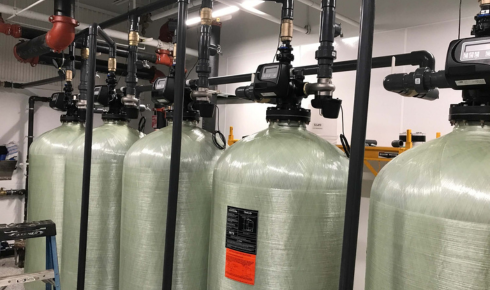
That’s why many operations turn to commercial water softeners as a preventative measure rather than a luxury. Softened water allows systems to operate as designed. Detergents work better. Heating elements stay cleaner. Maintenance schedules become predictable instead of chaotic.
The goal isn’t to make water feel fancy. It’s to make it consistent and manageable.
Every Business Uses Water Differently
A restaurant, a hotel, a medical facility, and a manufacturing plant may share a zip code, but their water needs are completely different. Usage patterns, peak demand times, and regulatory requirements vary widely.
Copying a solution from another business—even a similar one—can lead to disappointment. What works perfectly in one setting might underperform in another. Effective solutions come from matching systems to actual usage, not assumptions.
This is where experience and proper assessment matter more than product specs.
On the horizonThe Quiet Upgrade Your Home Might Be Missing: Rethinking Water From the Ground Up
Water and Reputation Are Quietly Linked
Customers might not comment directly on water quality, but they notice the results. Drinks that taste “off.” Dishes with residue. Restrooms that don’t feel clean. These impressions add up, shaping how people perceive a business even if they can’t pinpoint why.
Employees notice too. Working with unreliable equipment or constant maintenance issues creates friction and frustration. When systems work smoothly, morale improves without anyone realizing why.
Good water doesn’t draw attention. It removes distractions.
Efficiency, Sustainability, and the Bigger Picture
Modern businesses are increasingly aware of sustainability—not just as a marketing concept, but as a cost-control strategy. Efficient water systems reduce waste, energy consumption, and chemical usage. Over time, these efficiencies show up clearly on balance sheets.
Reducing bottled water reliance, lowering energy demands on heaters, and minimizing chemical runoff are practical benefits, not just ethical ones. Thoughtful water management aligns with long-term planning in ways that are easy to overlook.
On the horizonPure Water Right From the Tap: Understanding Alkaline Treatment and Remineralization
It’s not about doing everything at once. It’s about choosing systems that don’t fight against your goals.
Maintenance Is Part of the Plan, Not a Failure
No commercial system is “install and forget.” Maintenance is normal, expected, and manageable when it’s planned properly. Regular inspections and servicing prevent small issues from becoming expensive disruptions.
The difference between smooth operations and constant emergencies often comes down to maintenance philosophy. Proactive care feels boring. Reactive fixes feel urgent and costly.
Smart businesses prefer boring.
Thinking Beyond Today’s Needs
Water decisions shouldn’t only reflect current demand. Businesses evolve. Menus expand. Staff counts change. Production increases. Systems that barely meet today’s needs may struggle tomorrow.
On the horizonWhen Your Water Filter Needs Attention: A Practical Guide to Better Water Quality
Planning for flexibility doesn’t mean overspending. It means leaving room to grow without rebuilding from scratch. That foresight often pays for itself faster than expected.
The Quiet Advantage of Getting It Right
When water systems are working properly, nobody celebrates. That’s exactly the point. The absence of problems becomes a competitive advantage—fewer interruptions, lower costs, and smoother operations.
Good water supports good business without asking for attention. It keeps the focus where it belongs: on customers, quality, and growth.
And in a world full of loud upgrades and flashy investments, sometimes the smartest move is improving what already runs quietly beneath your feet.