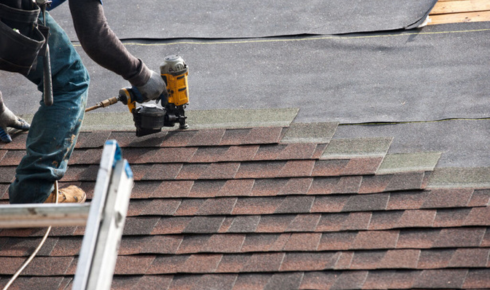
There’s something oddly comforting about a roof. It’s not flashy. It doesn’t ask for attention. But it’s always there — quietly protecting everything that matters most. Until one day… it’s not.
Maybe it starts with a dark spot on the ceiling. Or a drip in the attic after a hard rain. Or you walk outside and realize your roof looks more tired than you feel after a long week. Whatever the trigger, you start wondering: “Is it time to replace this thing?”
If that’s where your head is — don’t worry. You’re not alone. And you’re not expected to know everything. But before you start tossing numbers around or signing anything, let’s talk through what this process really looks like, without the jargon or pressure.
Start With Clarity — Not a Commitment
The first step in any smart roofing decision? A free inspection. Not the gimmicky kind where a salesperson pushes you toward a “deal” on the spot — but a real, honest evaluation of what’s going on up there.
A professional inspection should feel like a conversation, not a transaction. A good roofer will check your shingles, flashing, ventilation, and underlayment. They’ll poke around in the attic for signs of water damage or mold. Then they’ll explain — in plain English — whether you need a repair, a full replacement, or just a “see-you-next-year” nod.
And honestly? Sometimes the answer is “not yet.” That’s what makes an inspection valuable. It arms you with information, not pressure.
When a Quote’s Just a Number (And When It Isn’t)
Let’s talk numbers. Getting a roof replacement quote shouldn’t feel like guessing the price of a used car. It should come with details. Materials. Labor. Timeline. Warranty info. Cleanup process. Permits, if needed. A quote without these? It’s just a pretty-looking total.
The right contractor won’t just toss you a figure and disappear. They’ll walk you through it. Break down what’s optional versus essential. And they’ll listen — to your budget, your concerns, your timeline.
Pro tip: Be wary of unusually low bids. Roofing isn’t cheap, and if someone’s quoting way below the others, corners are probably getting cut somewhere. And with your roof? Corners = leaks.
The Installer Makes or Breaks the Job
Let’s be blunt — materials matter, sure. But the best shingles in the world won’t save you from a poor install. That’s why choosing the right roofing installers is more important than chasing a discount.
You want licensed, insured pros with solid references and visible pride in their work. Look for consistency in reviews. Ask about training. Find out who’s actually doing the install — is it a trained crew or random subcontractors?
The good ones will answer without hesitation. They’ll show up on time. They’ll respect your property. They’ll clean up when they’re done like they were never there — except now you’ve got a gorgeous, watertight roof overhead.
Materials, Style & That “What If” Factor
If you’re going through the effort (and investment) of replacing your roof, it’s worth spending a little time on style and substance. Asphalt shingles are the most common, sure — but have you looked at metal roofing? Or architectural shingles? Or synthetic slate?
Each has pros and cons, and a good contractor will walk you through not just price, but performance. What handles your climate best? What looks great on your home style? What could help with insurance or energy efficiency?
And then there’s that lovely “what if something goes wrong?” question. That’s where warranties come in — both from the manufacturer and the installer. Ask about them. Get them in writing. Because roofing might be the last thing you want to think about again for 20+ years.
Timing Is Everything — Kinda
There’s no perfect time for a roof replacement. It’s disruptive. It’s noisy. But with proper planning, it doesn’t have to wreck your week.
Spring and fall tend to be the busiest, but quality roofers will schedule around your needs. Just know that weather plays a role — rain delays happen. That said, don’t let seasonality stop you. If your roof’s on its last legs, waiting six months might cause more damage than good.
Final Thoughts: It’s More Than a Roof. It’s Your Peace of Mind.
Your roof isn’t just a bunch of shingles nailed to plywood. It’s your home’s first line of defense. It’s what lets you sleep through a thunderstorm without worry. What keeps your attic dry, your walls mold-free, and your energy bills in check.